


Introduction
As global industries increasingly prioritize renewable energy and waste reduction, sawdust has gained new significance as a valuable biomass resource rather than a low-value by-product. Generated in vast quantities by sawmills, furniture factories, and wood-processing plants, sawdust presents both a disposal challenge and an opportunity. The development of the sawdust pellet machine price has transformed this fine wood residue into a standardized, transportable, and energy-efficient solid fuel.
Today, sawdust pellet production plays an important role in bioenergy systems, circular economies, and sustainable manufacturing. This article provides an encyclopedic overview of sawdust pellet making machines, including their historical background, mechanical principles, structural design, raw material requirements, industrial applications, and environmental significance.
Historical Development of Sawdust Pelletization
The practice of densifying wood residues can be traced back to early industrial Europe, where sawdust briquetting was explored as a way to reuse waste from expanding timber industries. However, modern pelletization technology developed more rapidly during the mid-20th century, particularly after global energy shortages highlighted the need for alternative fuels.
In the 1970s and 1980s, advances in mechanical engineering enabled the production of small, uniform pellets instead of large briquettes. This innovation improved combustion efficiency and facilitated automated feeding systems. Over time, the sawdust pellet making machine became a core component in biomass energy production, especially in regions with strong forestry sectors.
Definition and Purpose of a Sawdust Pellet Making Machine
A sawdust pellet making machine is an industrial device designed to compress fine wood particles into cylindrical pellets through mechanical pressure. These pellets are typically used as biofuel, though they may also serve auxiliary roles in agriculture and industry.
Compared with loose sawdust, pelletized sawdust offers:
Higher bulk density
Lower transportation costs
Consistent size and shape
Improved combustion behavior
The machine itself operates as part of a broader pellet production system that may include drying, grinding, cooling, and screening stages.
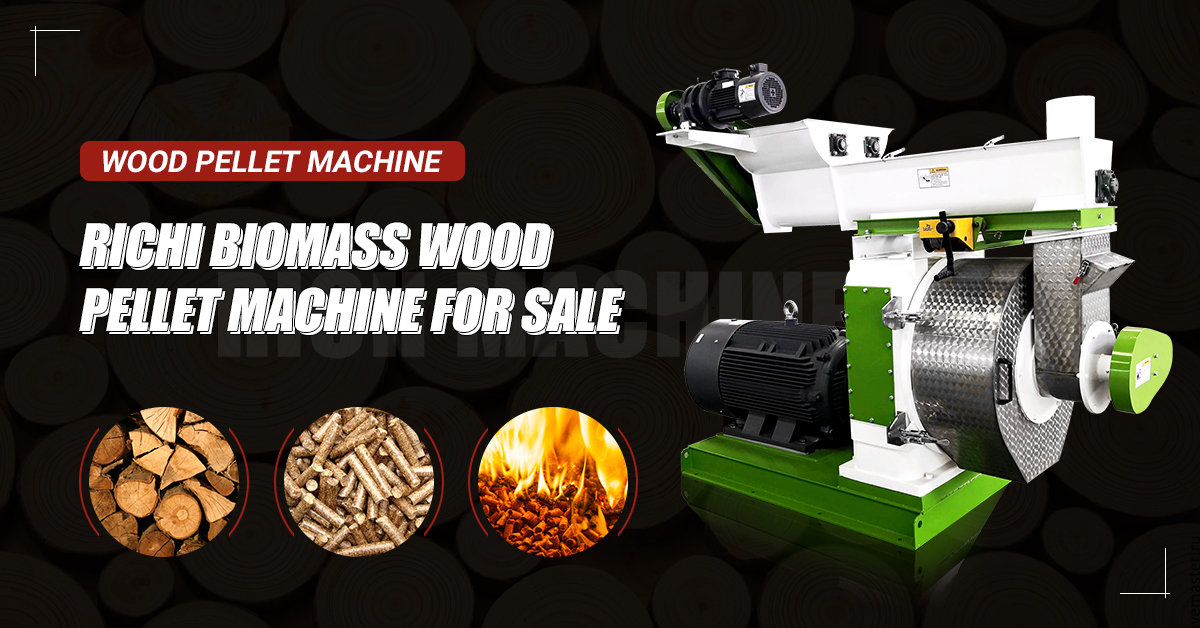
Main Structural Components
Feeding and Conditioning System
The feeding unit regulates the flow of sawdust into the pelletizing chamber. Because sawdust is lightweight and prone to bridging, many machines use force-feeding mechanisms to ensure stability and continuity during operation.
Pelletizing Die Assembly
The die is the defining element of a pellet machine. Ring die designs are common in industrial-scale operations due to their durability and high output, while flat die systems are often used in smaller applications. Die hole diameter directly determines pellet size.
Roller and Compression System
Rollers rotate against the die surface, compressing sawdust particles and forcing them through the die holes. The friction-generated heat softens natural lignin in the wood, enabling binding without additives.
Drive and Transmission System
Electric motors, gearboxes, and couplings provide the mechanical power required for pelletization. Modern systems emphasize efficiency, torque stability, and reduced energy loss. https://richipelletizer.com/sawdust-pellet-mill/
Working Principle of Sawdust Pellet Formation
The pelletizing process is based on mechanical densification. Properly prepared sawdust—usually with moisture content between 10% and 15%—is subjected to high pressure within the pelletizing chamber.
During compression:
Friction raises material temperature
Lignin becomes plasticized
Particles bond together as they exit the die
The resulting pellets are cut to length and cooled to stabilize their structure. This process produces durable pellets without chemical binders, making it environmentally favorable.
Raw Material Characteristics and Preparation
Sawdust used in pellet production can originate from various wood species, including softwood and hardwood. However, raw material consistency is essential for efficient pelletizing.
Key preparation requirements include:
Uniform particle size
Controlled moisture content
Removal of contaminants such as metal or stones
Pre-processing steps such as drying and fine grinding significantly influence pellet quality and machine longevity.
Applications of Sawdust Pellets
Renewable Energy and Heating
Sawdust pellets are widely used in pellet stoves, boilers, and district heating systems. Their standardized size allows automated combustion with high thermal efficiency.
Industrial Biomass Power
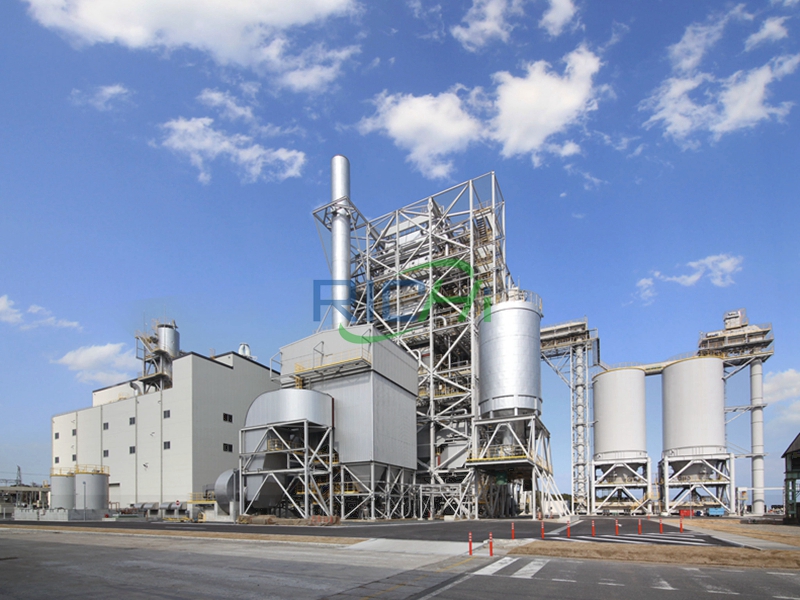
In large-scale energy systems, sawdust pellets serve as a fuel source for biomass power plants or as a co-firing material with coal, reducing carbon emissions.
Agricultural and Secondary Uses
Beyond energy, sawdust pellets are sometimes used as animal bedding or absorbent materials, benefiting from their low dust content and uniform form.
Global Market for Sawdust Pellet Making Machines
The demand for pellet machinery has expanded alongside renewable energy policies and carbon reduction initiatives. Regions with strong forestry industries—such as Europe, North America, and parts of Asia—are major markets for pellet equipment. Description
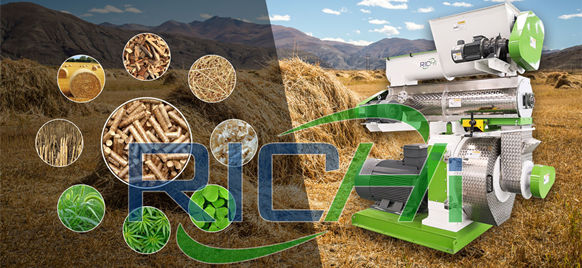
Manufacturers offering a sawdust pellet making machine range from regional suppliers to global equipment producers. Companies like RICHI have participated in international biomass projects by supplying standardized pellet machinery to diverse markets.
Environmental and Sustainability Impacts
Pelletizing sawdust contributes to waste reduction by converting industrial by-products into usable energy. When sourced responsibly, sawdust pellets are considered low-carbon or carbon-neutral fuels.
Additionally, pellet production reduces open dumping and burning of wood residues, supporting cleaner industrial practices and improved air quality.
Maintenance and Operational Considerations
Regular maintenance is essential for stable long-term operation. Common practices include:
Inspection of dies and rollers
Monitoring bearing lubrication
Controlling operating temperature
Timely replacement of wear parts
Manufacturers such as RICHI Equipment emphasize robust materials and standardized components to reduce downtime and maintenance complexity.
Factors Affecting Pellet Quality
Pellet quality depends on several interconnected variables:
Wood species and fiber structure
Moisture balance
Compression ratio
Die surface finish
Cooling efficiency
Operators selecting a sawdust pellet making machine must balance production capacity with pellet durability and energy density.
Technological Trends and Future Development
Modern pellet machines continue to evolve with advancements in automation and materials science. Emerging trends include:
Intelligent control systems
Energy-efficient drive technology
Wear-resistant alloy dies
Modular pellet production lines
As biomass utilization expands globally, sawdust pellet technology is expected to remain a key component of sustainable energy strategies.
Conclusion
The sawdust pellet making machine represents a critical technology in transforming wood-processing waste into valuable, standardized biomass fuel. From its historical development to its modern industrial applications, pelletization has proven to be both economically and environmentally significant.As industries seek efficient ways to manage wood residues and reduce carbon footprints, sawdust pellet machines will continue to play a vital role in renewable energy and circular resource systems worldwide. 1-40tph sawdust pellet machine for sale worldwide