How to Choose Equipment for Shrimp Feed Production
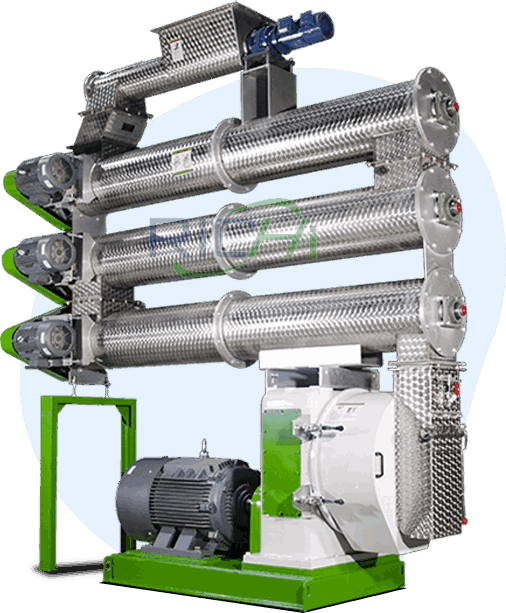
Shrimp-feed manufacturing requires more than simply compressing a mixture of ingredients into pellets. Aquaculture producers…
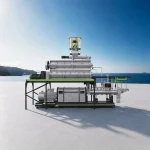
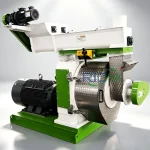
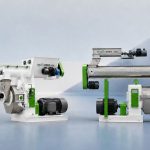

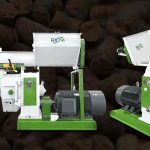
Shrimp-feed manufacturing requires more than simply compressing a mixture of ingredients into pellets. Aquaculture producers…
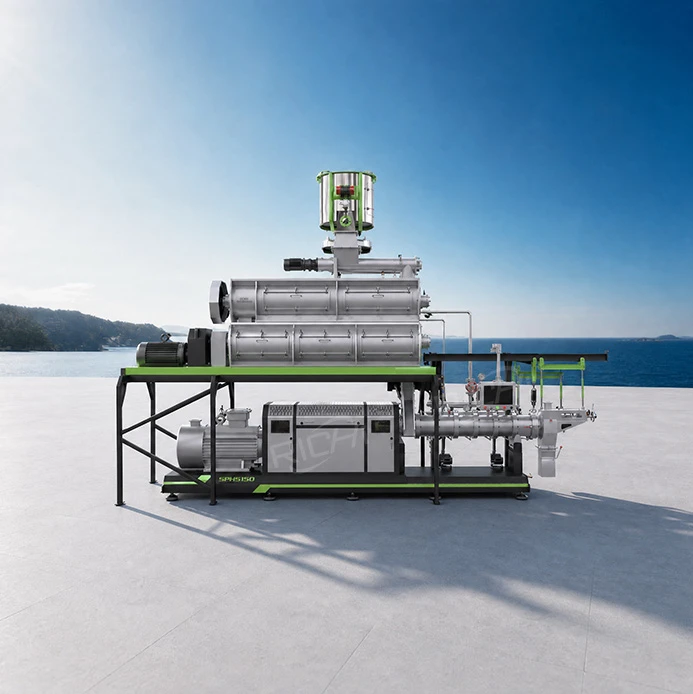
Dog food and cat food are often produced on the same extrusion line. The equipment…
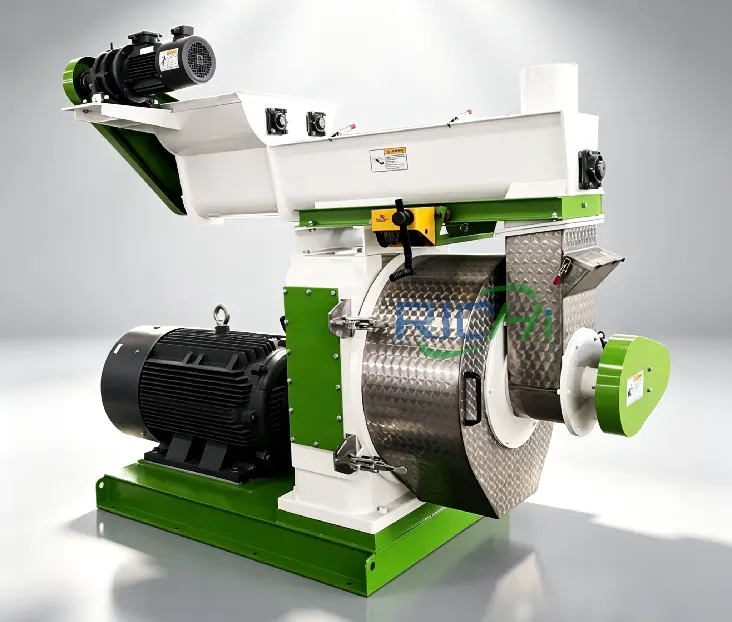
Cow dung is often regarded simply as an agricultural waste, but in livestock-producing regions, it…
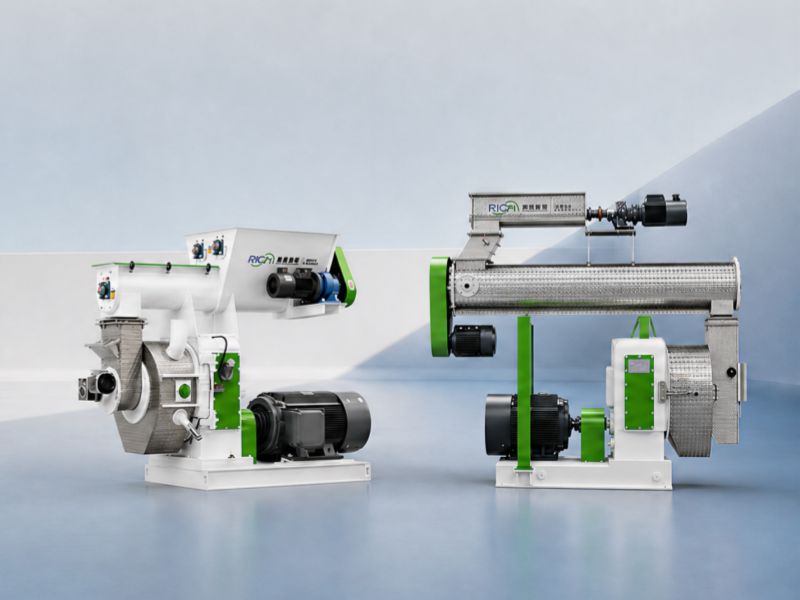
A Bag of Cat Litter Has a Longer Journey Than It Appears A finished bag…
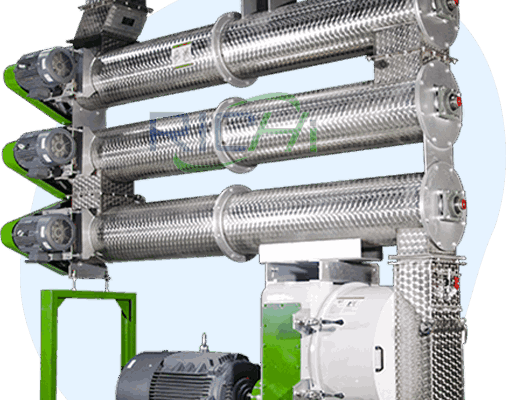
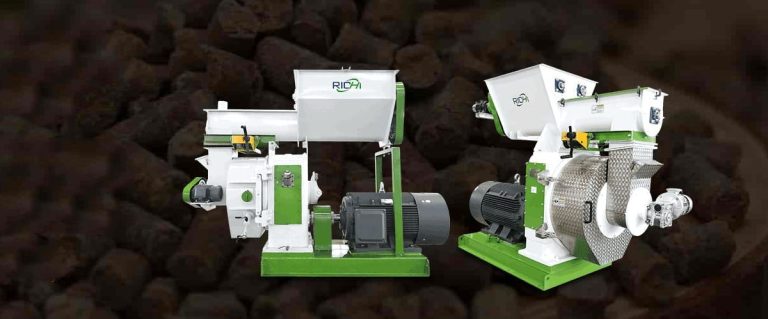
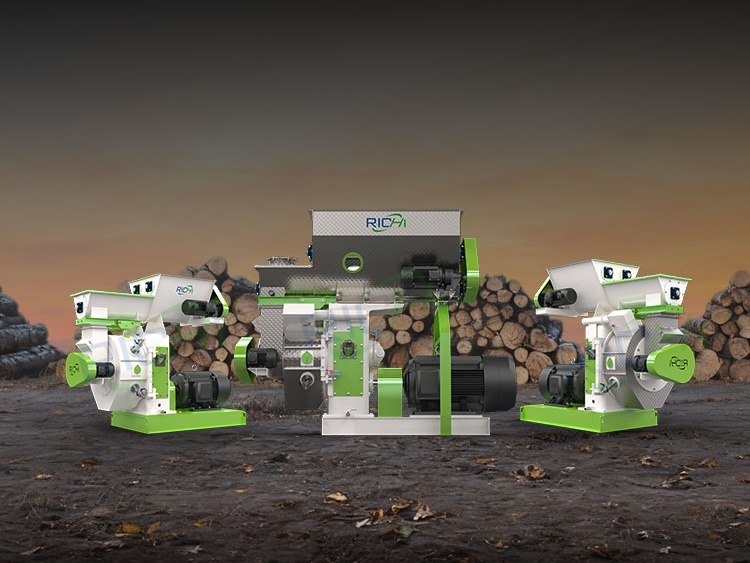
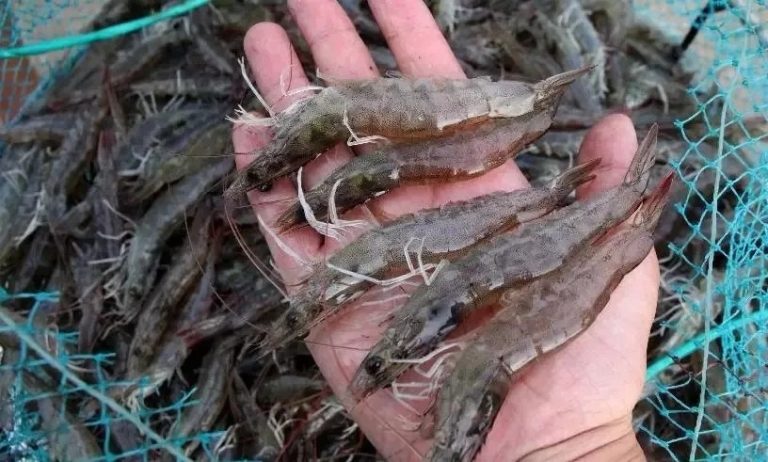
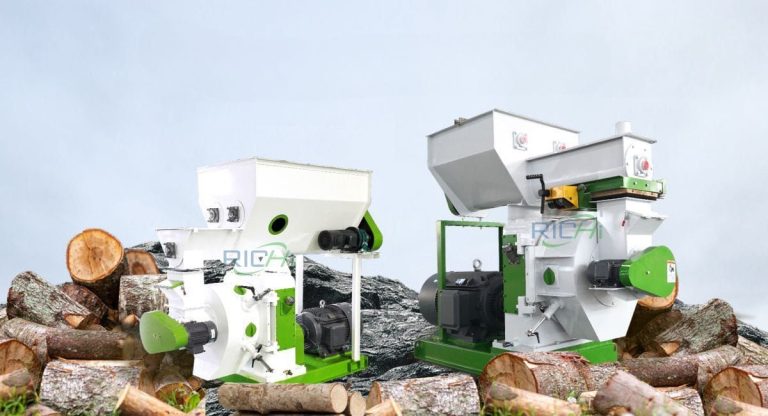
Shrimp-feed manufacturing requires more than simply compressing a mixture of ingredients into pellets. Aquaculture producers need to consider pellet diameter, feed composition, production capacity, water stability, raw-material preparation, and the operating conditions of the farm. A suitable shrimp feed pellet production equipment configuration should therefore be designed around the final feed specification rather than the…
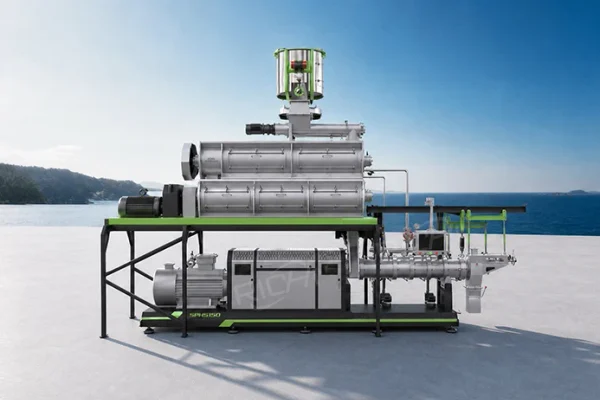
Dog food and cat food are often produced on the same extrusion line. The equipment is similar, the packaging looks alike, and many producers assume the two products can be handled with the same settings. In practice, the formulas behave differently inside the extruder, and the differences affect everything from screw configuration to drying and…
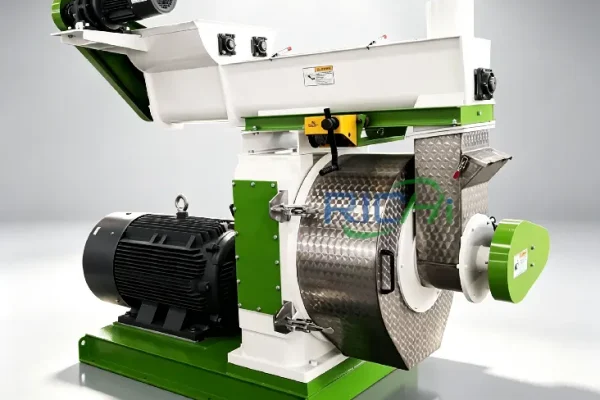
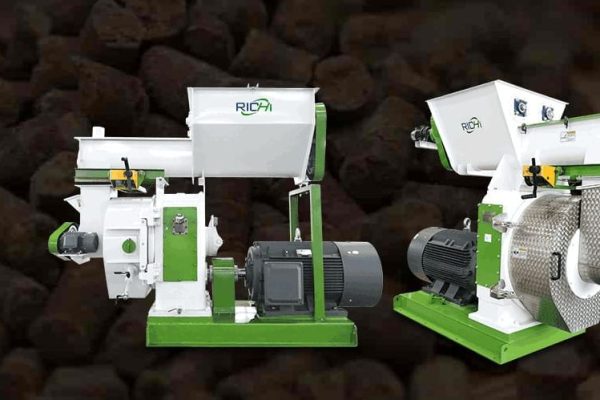
Cow dung is often regarded simply as an agricultural waste, but in livestock-producing regions, it can become a useful resource when it is collected, processed, and managed properly. Instead of leaving manure in open piles, farmers and small processing businesses can convert it into dried fuel cakes, fertilizer products, compost, or pellets. The basic idea…
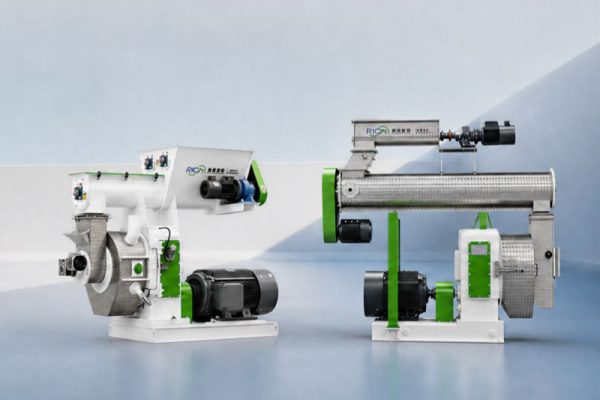
A Bag of Cat Litter Has a Longer Journey Than It Appears A finished bag of cat litter may look like a simple consumer product. Inside a factory, however, it represents a sequence of carefully connected processes. The raw material must be received, prepared and conditioned. It may need to be crushed, dried or mixed….
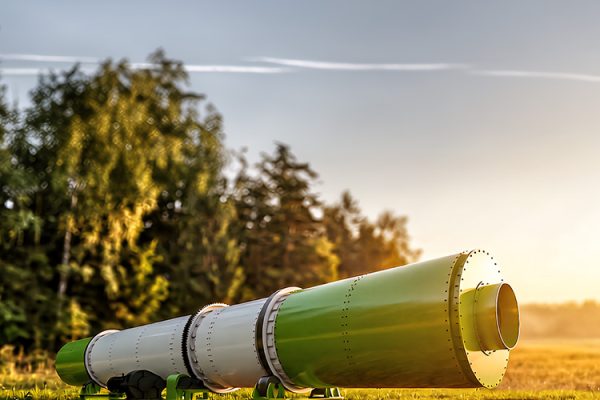
Choosing the right wood drying system is an important decision for biomass processing plants, wood pellet factories, woodworking companies, and businesses that want to turn wood waste into useful fuel or other products. Sawdust, wood chips, wood shavings, bark, and forestry residues can contain significant amounts of moisture, and this moisture must often be controlled…
Every poultry farm produces it. The litter builds up in the barns, a mix of manure, bedding, feathers, and feed spillage. For years, it has been treated as a disposal problem—something to be hauled away, spread on fields, or piled up and forgotten. But that pile is not just waste. It is a resource that…
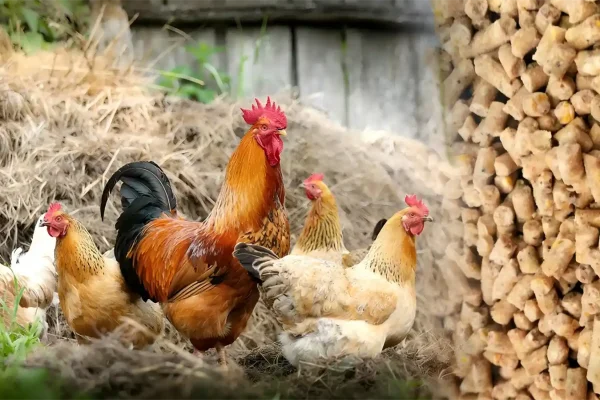
Chicken feed pellet production has become increasingly sophisticated as poultry farms and feed manufacturers demand more consistent feed quality, higher production efficiency, and better control over operating costs. Traditional manual or semi-automatic production methods may work for small-scale operations, but they can become difficult to manage when production volume increases and feed formulas become more…
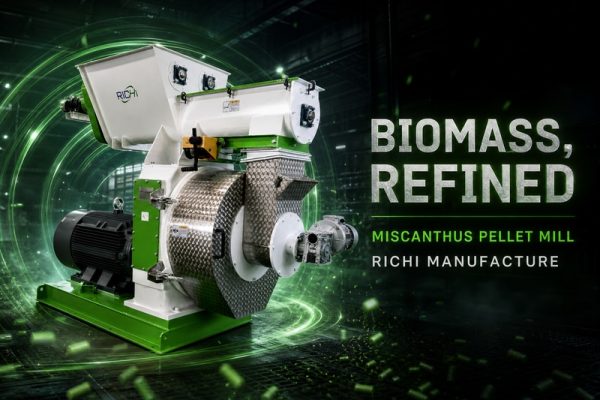
Producing large quantities of grass pellets is not simply a matter of installing a powerful motor. High-capacity biomass processing requires every stage of the production system to work at a compatible rate. A miscanthus pellet mill can provide substantial compression capacity, but the final output depends on raw material preparation, moisture control, feeding stability, cooling, screening,…
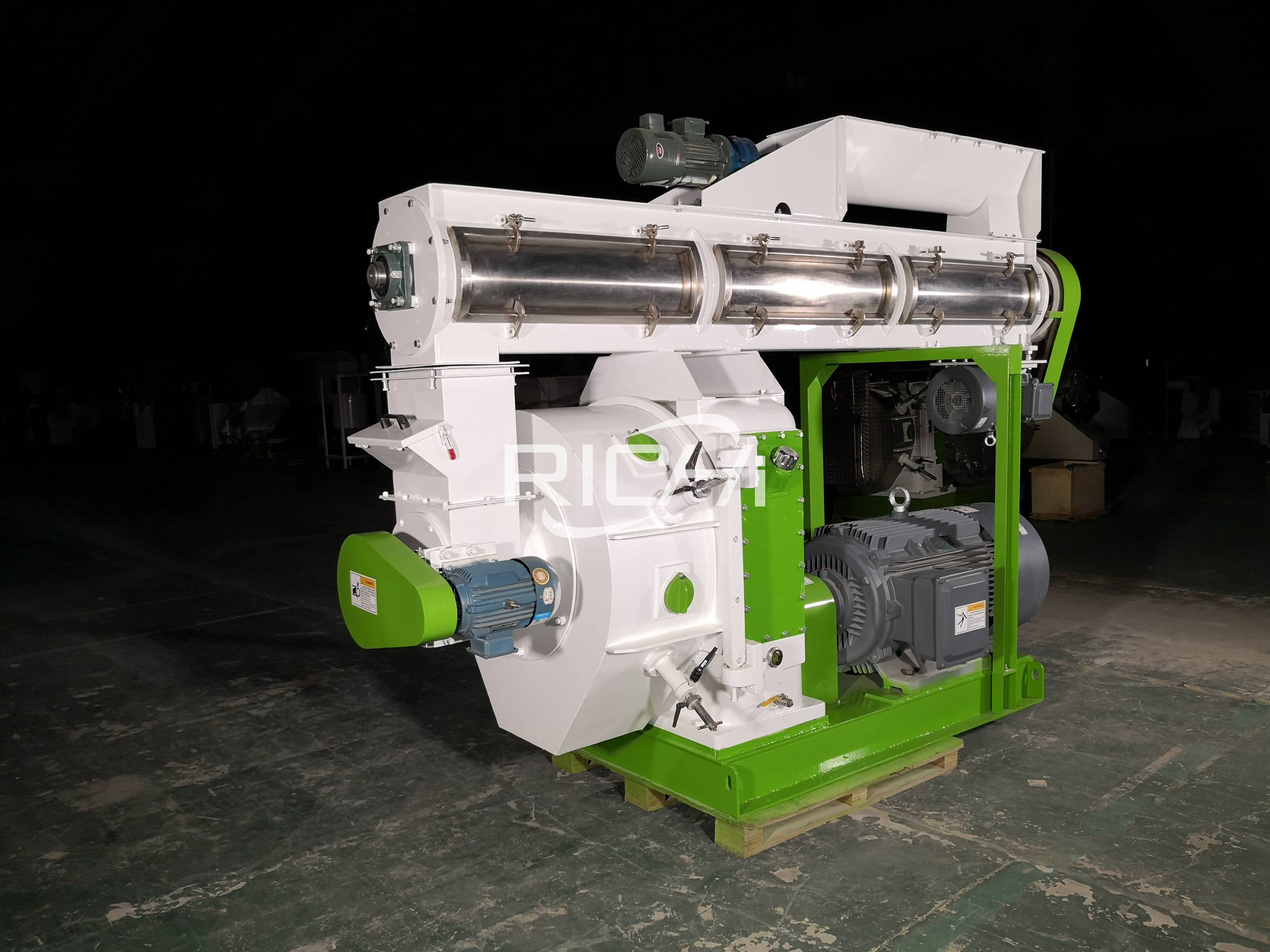
Watch a bale of alfalfa being handled, and you’ll see it happen. Green dust floats away. Leaves crumble and drop to the ground. By the time that bale reaches the feeder, it’s already lost a portion of its nutritional value—often a significant one. The leaves, which contain most of the protein and vitamins, are fragile….
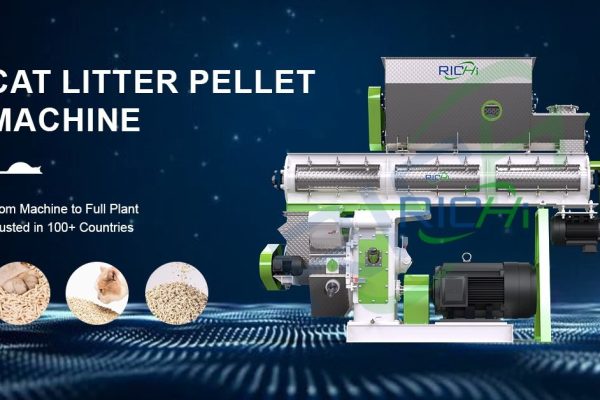
The global pet-care industry has created new opportunities for manufacturers of cat litter. As more households keep cats and consumers become increasingly selective about pet-care products, demand has expanded beyond traditional clay litter to include tofu, wood, corn, cassava, paper, and other plant-based alternatives. Starting a cat litter production business can therefore be an attractive…