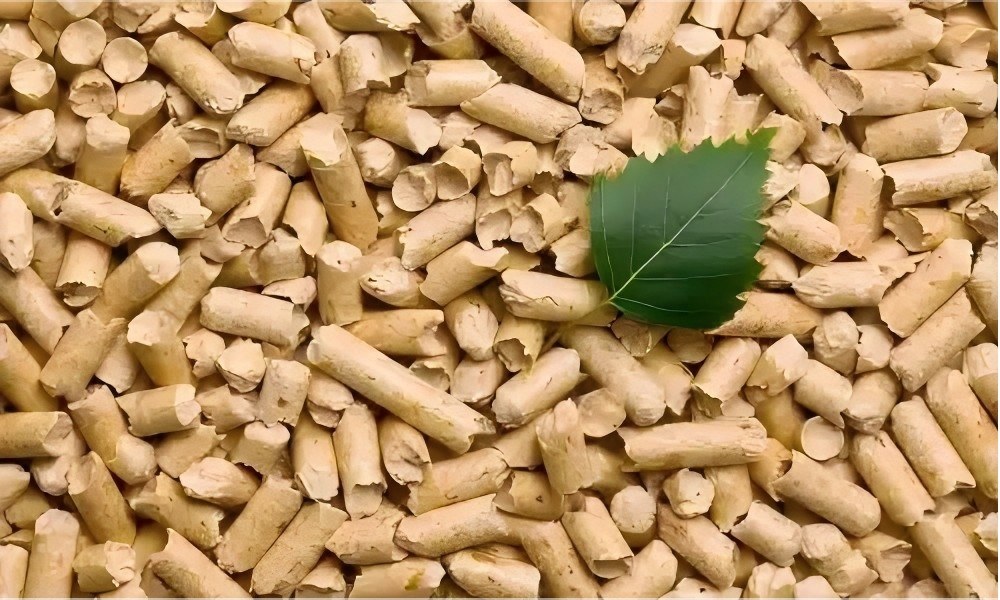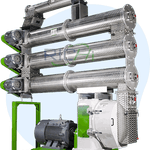
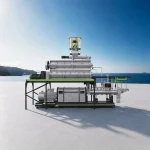
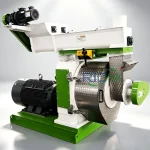
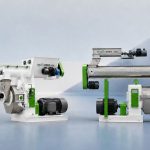

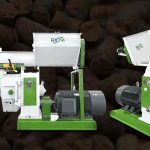
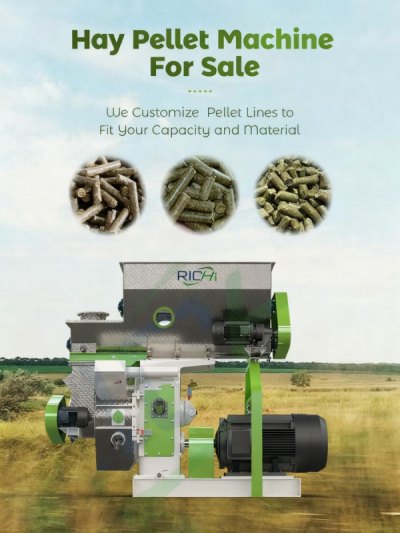
The agricultural industry continues to embrace efficient processing solutions, and the commercial hay pellet machine has become essential equipment for converting forage and crop residues into valuable pellets. Modern production facilities rely on these machines to process materials like hay, straw, corn stalks, and alfalfa into high-density pellets for livestock feed and biomass fuel. The corn straw pellet making machine stands at the heart of this process, transforming abundant agricultural residues into marketable commodities.
Understanding Commercial Hay Pellet Machine Technology
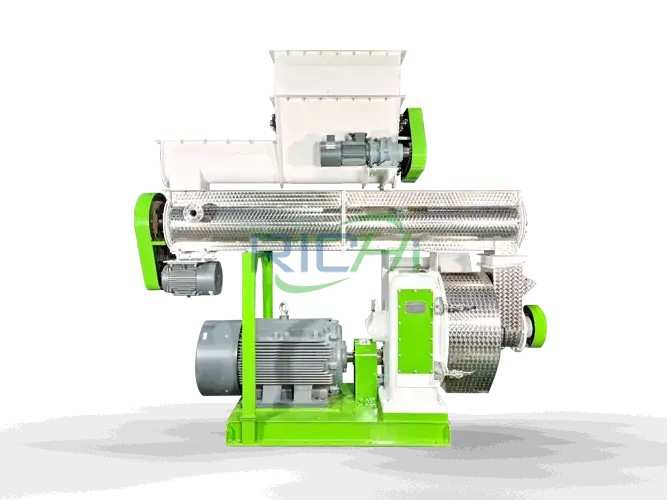
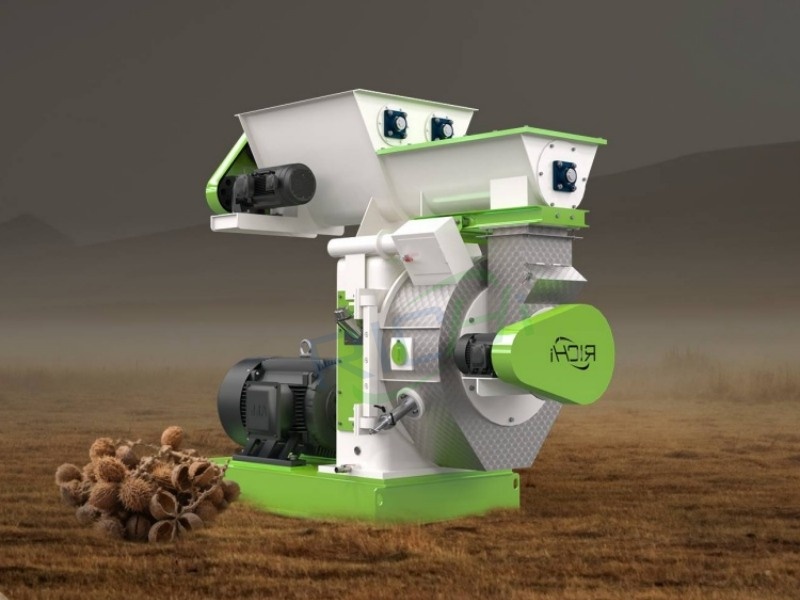
A commercial hay pellet machine is an industrial device designed for continuous, high-volume production of hay and straw pellets. Unlike smaller farm-scale units, commercial machines feature robust construction with imported SKF or NSK bearings and Siemens motors for reliable long-term operation. The ring die design is standard for commercial applications due to higher throughput and consistent pellet quality, with gear transmission providing approximately 10% higher capacity than belt-driven systems.
The corn straw pellet making machine operates by forcing prepared material through a rotating ring die under high pressure. Corn stalk is a tube-like material with a diameter of 4 to 8 mm and wall thickness around 0.3-0.6mm, which can be easily processed to achieve the desired particle size. During pelletizing, the material temperature reaches about 70-80°C, with approximately 98% of material forming qualified pellets.
For more detailed information on commercial hay pellet machine options, you can article for comprehensive resources.
Corn Straw Pellet Making Machine Models and Specifications
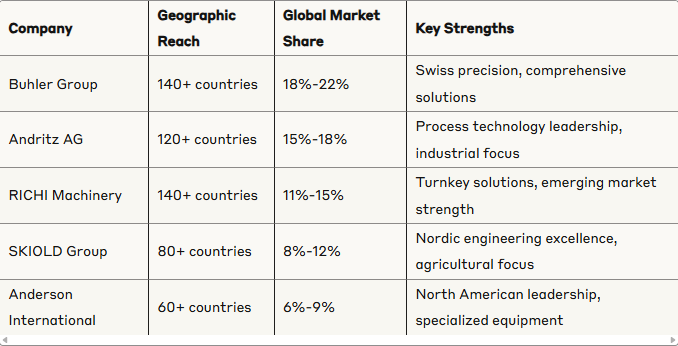
When evaluating corn straw pellet making machine options, capacity and configuration are key considerations. Commercial models from leading manufacturers offer a range of capacities:
The commercial hay pellet machine/mill features output capacities from 0.5 to 3 tons per hour, with ring die diameters from 350 to 768mm and main motor power ranging from 55 to 132kW. Finished pellet diameters are adjustable to 6mm, 8mm, 10mm, or 12mm to suit various applications.
For larger-scale operations, the CZLH series ring die pellet mills are specifically designed for straw and hay processing. Models like the CRS788 produce 4-4.5 tons per hour with 220kW motor power, featuring water-cooled synchronous motors and timing belt plus gear transmission. The forced feeding system is particularly important for light materials like corn straw, ensuring consistent material flow into the pelletizing chamber.
RICHI Machinery offers corn straw pellet production lines with capacities from 1 to 40 tons per hour, with pellet sizes of 6-12mm customizable. Their equipment features stainless steel ring dies and rollers with high-wear resistance, achieving a granulation pass rate exceeding 95%.
Complete Production Line Integration
A comprehensive production solution integrates multiple stages beyond the pellet machine. The complete corn straw pellet production line includes several essential sections:
Cleaning Section: Corn stalks are screened to remove contaminants such as dust, stones, and metals that could damage the pellet mill.
Grinding Section: A forage grinder processes the straw into the desired particle size. Because straw is very light, this section requires specialized equipment.
Drying Section: Corn stalk typically arrives with moisture around 15%, which is suitable for pellet production, so drying is often bypassed.
Conditioning Section: Optional treatment applying steam and binding agents may be used to achieve desired pellet hardness, though materials with sufficient natural lignin can skip this step.
Pelletizing Section: The core of the line, where corn stalk powder is pressed into pellets through the pressure between ring die and rollers. A force feeder ensures smooth operation with light materials.
Cooling Section: Pellets emerging at approximately 70°C are cooled to room temperature immediately, making them harder and more durable.
Screening Section: A vibrating screener separates finished pellets from powder, with powder returned to the pellet machine for reprocessing.
For a 500 kg/h capacity line processing wheat straw, corn stalk, and alfalfa hay, the system includes an 11 kW hammer mill for crushing, a 37 kW ring die pellet machine, and a cooling system.
Quality Considerations and Best Practices
Achieving consistent pellet quality requires careful attention to several parameters. Raw material moisture content must be controlled for optimal pellet formation. Particle size should be reduced to 5mm or less before pelletizing. Freshly formed pellets require cooling to ambient temperature to harden and strengthen them prior to bagging.
The force feeder is particularly critical when processing corn straw because the material is very light and difficult to feed into the pelletizing chamber naturally. The ring die and pressure roller made of stainless steel provide extended service life and reduce maintenance costs.
Summary
Investing in a commercial hay pellet machine with corn straw pellet making machine capabilities offers a strategic opportunity to convert agricultural waste into valuable feed or fuel pellets. The combination of advanced ring die technology with integrated processing systems delivers consistent quality and operational efficiency. For detailed specifications and pellet machine for sale options, you can article for comprehensive manufacturing solutions tailored to your specific capacity requirements and raw material sources.
view details: https://www.richimanufacture.com/hay-pellet-machine-for-sale/