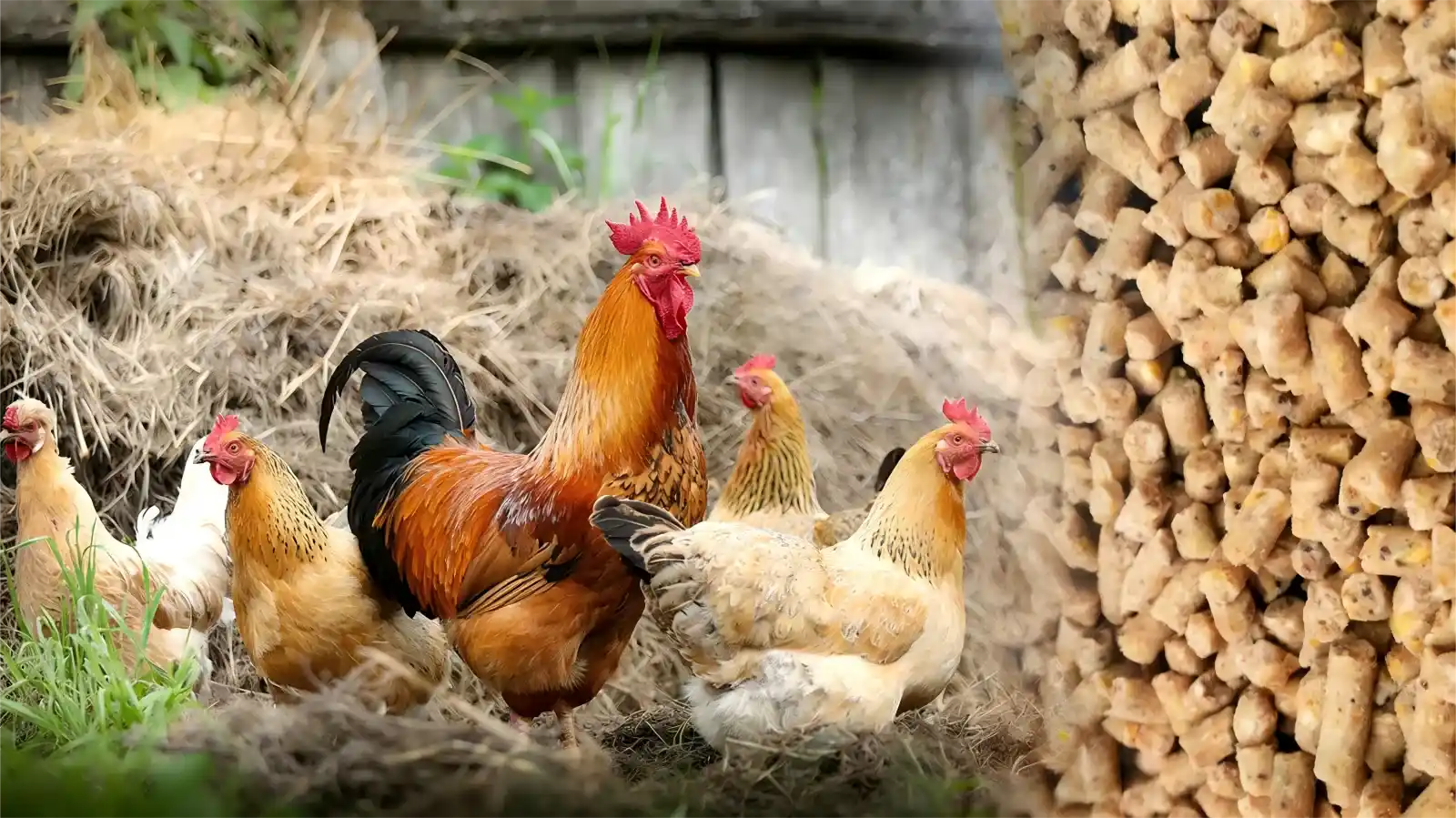

Every poultry farm produces it. The litter builds up in the barns, a mix of manure, bedding, feathers, and feed spillage. For years, it has been treated as a disposal problem—something to be hauled away, spread on fields, or piled up and forgotten. But that pile is not just waste. It is a resource that contains nitrogen, phosphorus, potassium, and organic matter. Those are the same nutrients that farmers pay good money for in bags of fertilizer. The difference is that raw litter is bulky, variable, and inconvenient. Processed into pellets, it becomes a consistent, marketable product that can be sold, stored, and applied with precision.
The shift from waste to product does not happen by accident. It requires the right equipment, the right process, and an understanding of what the market wants. It also requires a realistic look at scale—because what works for a large commercial operation is not the same as what works for a small family farm. The good news is that equipment now exists for both.
Why Raw Litter Is a Problem
Raw poultry litter is difficult to handle. It contains 25% to 40% moisture, which makes it heavy and prone to clumping. It releases ammonia, which creates odors and can be a nuisance to neighbors. It contains weed seeds and pathogens that can cause problems when spread on fields. And it varies in nutrient content from one barn to the next, which makes it hard to apply at precise rates.
Those characteristics have limited the use of raw litter. It can be spread on nearby fields, but only if the fields are close enough to make transport economical. It can be composted, but composting takes time and space. It can be burned for energy, but only in specialized boilers that are not widely available. For many farms, the simplest option has been to pay someone to take it away.
That is changing. As fertilizer prices rise and regulations on nutrient management tighten, more producers are looking for ways to capture the value in their litter. Pelleting is the most practical solution.
What Pelleting Does
Pelleting transforms raw litter into a dry, uniform product. The process begins with drying. The moisture content is reduced to around 12% to 15%. Then the material is ground to a consistent particle size. Next, it is conditioned with steam, which softens the fibers and activates natural binders. Finally, it is forced through a die under high pressure. The friction generates heat, which melts the lignin and binds the particles into dense pellets.
The result is a product that is easy to store, transport, and apply. Pellets flow through spreaders without clogging. They can be bagged or sold in bulk. They have a consistent nutrient profile, so buyers know what they are getting. And because the heat of pelleting kills pathogens and weed seeds, the product is safer to use than raw litter.
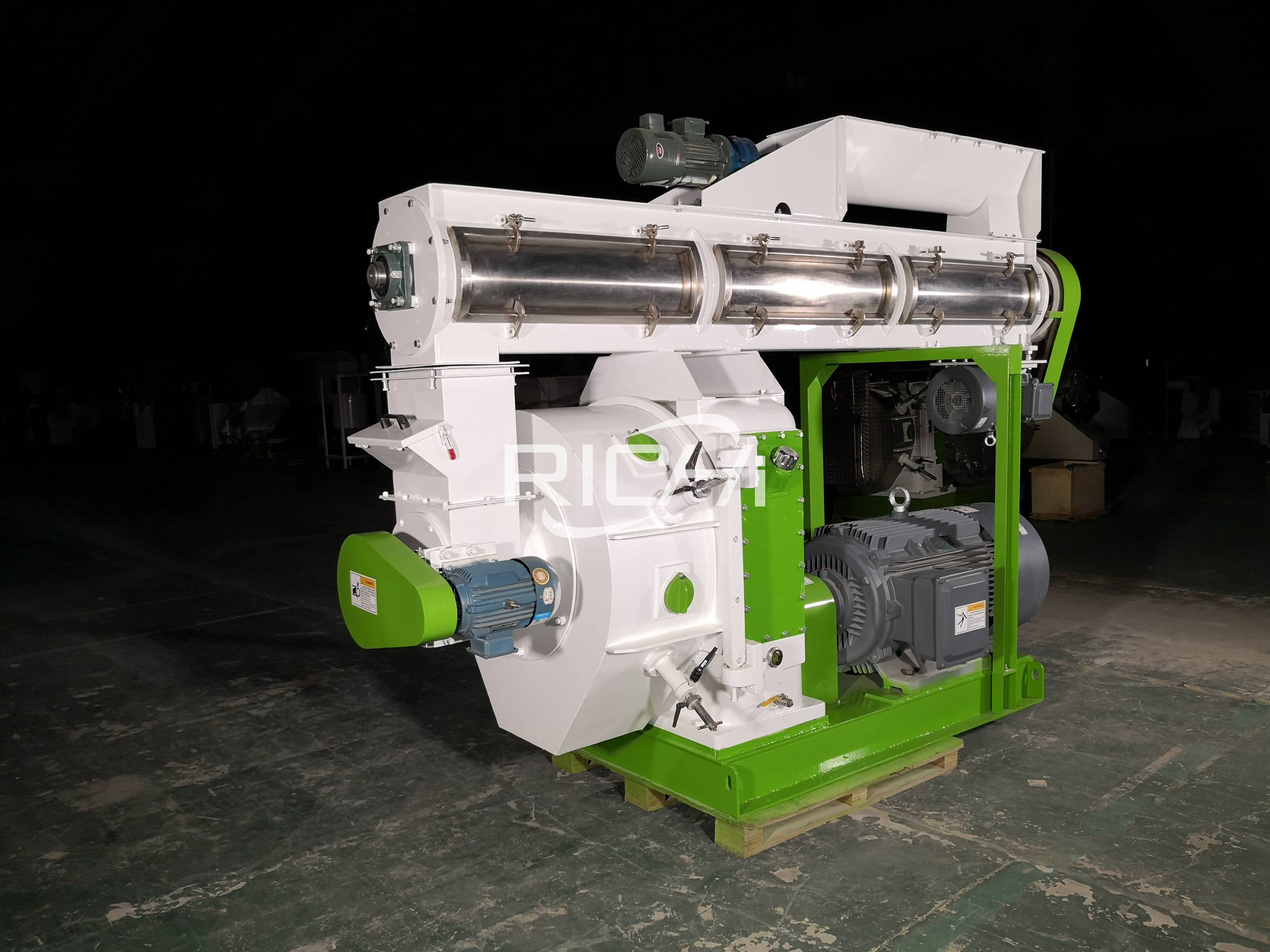
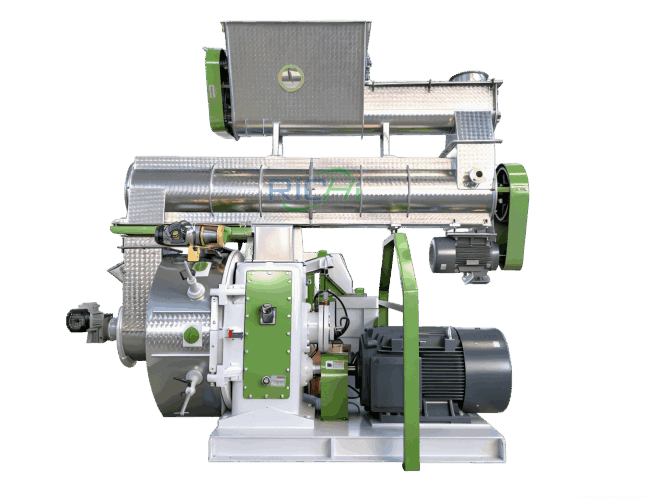
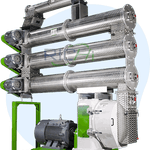
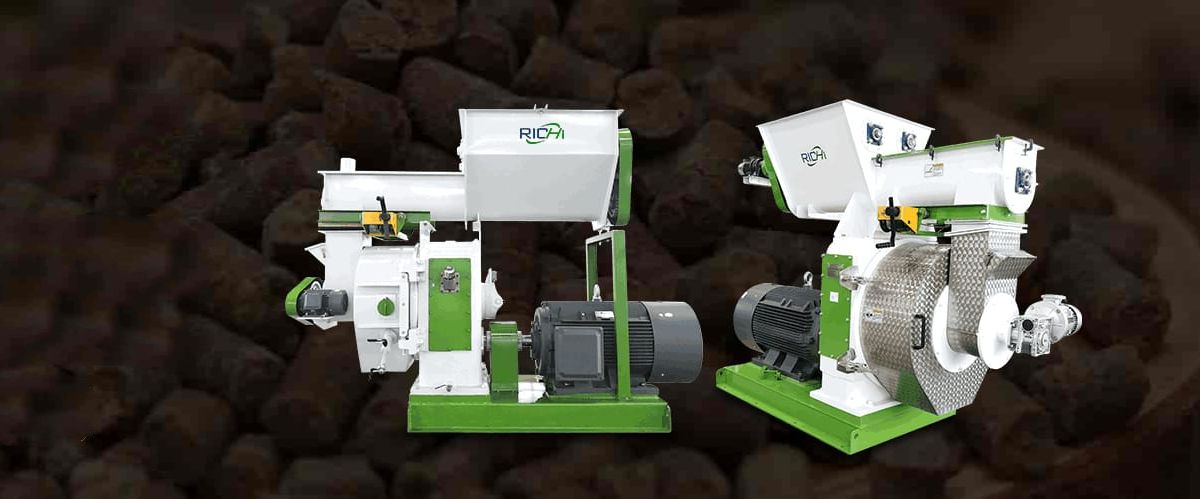
For the farm, the benefits go beyond the product itself. Pelleting reduces the volume of material that must be stored. It eliminates the odor problem. It reduces the risk of runoff and nutrient leaching. And it creates a new revenue stream. A chicken litter pellets processing machine is the centerpiece of this transformation. It is the equipment that turns the daily chore of litter management into a production process.
The Scale Question
Not every farm needs the same equipment. A large broiler operation producing thousands of tons of litter a year may need a complete processing line with industrial drying, grinding, and pelleting capacity. A small farm with a few hundred birds has different needs. The equipment must match the volume.
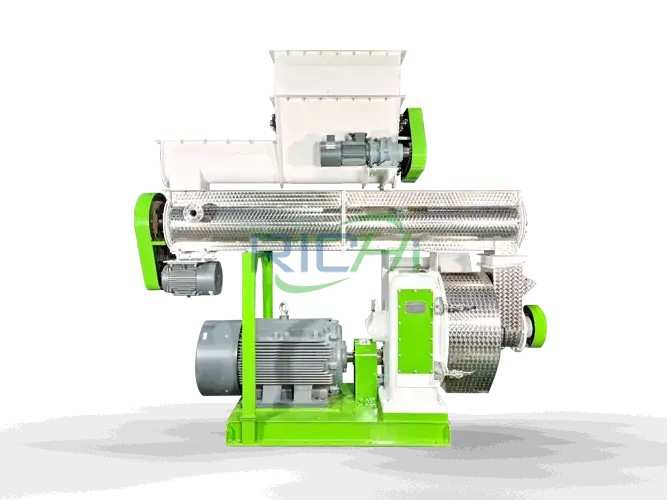
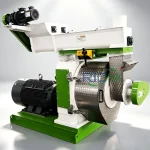
For smaller operations, the options have improved dramatically in recent years. A household poultry manure pellet machine is now available at a price point and scale that makes sense for family farms, hobby operations, and smallholdings. These machines are compact, easy to operate, and require modest power. They allow a small producer to process their own litter into pellets for on-farm use or local sale.
The economics at this scale are different. A small machine may not produce enough volume to supply a commercial buyer. But it can eliminate the cost of disposal, provide free fertilizer for the farm, and create a small side income from selling surplus pellets to neighbors. For many small farms, that is enough to justify the investment.
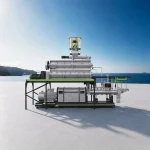
At the larger scale, the economics are more compelling. A commercial processing line can produce hundreds or thousands of tons of pellets per year. The cost per ton drops as volume increases. The product can be sold to organic farms, landscapers, garden centers, or biomass energy plants. The payback period can be surprisingly short.
What to Look For in Equipment
The quality of the equipment determines the quality of the product and the longevity of the operation. Poultry litter is abrasive. It contains silica, grit, and fibrous material. Dies, rollers, and bearings must be built to withstand the wear. A machine that uses cheap components will break down frequently, produce inconsistent pellets, and cost more in maintenance than it saves.
Drying capacity is critical. Litter arrives wet, and the dryer must be able to remove enough moisture to allow pelleting. If the dryer is undersized, the pellet mill will be starved for material. If it is oversized, energy is wasted. The components must be matched.
The die configuration matters. Different pellet sizes are needed for different markets. Fertilizer pellets are typically larger than fuel pellets. The die must be selected accordingly. The conditioning system must be able to deliver steam consistently. The control system should be easy to operate and maintain.
Support matters too. Equipment is only part of the equation. Installation, training, spare parts, and technical assistance are what keep a line running over the long term. A manufacturer who understands poultry litter processing can help a producer avoid costly mistakes.
The Role of the Manufacturer
RICHI manufacture has built feed and biomass processing equipment for decades. Their experience spans many materials—wood, straw, manure, and more. They understand that poultry litter is not the same as wood chips or grain. It has its own challenges and its own requirements. Their equipment is designed to handle those challenges, with wear-resistant components, robust construction, and user-friendly controls.
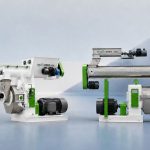
They also offer a range of sizes. Whether a farm needs a small household machine or a large industrial line, there is an option that fits. And they provide the support that keeps the equipment running—from installation and training to spare parts and technical help.
For producers who are serious about turning litter into a product, working with an experienced manufacturer makes the path smoother. The equipment is proven, the process is understood, and the support is there when it is needed.
The Market for Litter Pellets
The market for processed poultry litter is growing. Organic farms are a natural customer. They need approved nutrient sources, and litter pellets fit the bill. Landscapers, golf courses, and nurseries also use them. Vegetable growers and fruit orchards value the slow-release nutrients and organic matter. There is even a market for litter pellets as a biomass fuel in some regions.
The key to accessing these markets is consistency. Buyers want a product that meets specifications for moisture, nutrient content, and pellet durability. They want to know that every bag or bulk load will perform the same way. A well-run processing operation can deliver that consistency. A poorly run operation cannot.
The Decision
Turning poultry litter into pellets is not a get-rich-quick scheme. It requires investment, planning, and work. But for many farms, it is a practical way to solve a disposal problem while creating a new source of income. The equipment is available at scales that fit different operations. The technology is proven. The market is there.
The first step is to understand the material. Test the litter. Find out its moisture content and nutrient profile. Then talk to equipment suppliers. Ask about capacity, drying requirements, die configurations, and support. Visit an installation if possible. See how the equipment performs and talk to the operators.
The second step is to understand the market. Who will buy the pellets? What specifications do they require? What price will they pay? The answers will determine the scale of the operation and the type of equipment needed.
The third step is to make the investment. Choose equipment that is built for the material, sized for the volume, and supported by a manufacturer who stands behind it. Then run the line efficiently, maintain it properly, and produce a consistent product.
For farms that have been paying to dispose of litter, the shift to processing it into pellets can be transformative. The pile behind the barn becomes a production line. The waste becomes a product. And the cost becomes an income. It is not a small change. But it is a change that many producers are making—and for good reason.
You may also like:https://pelletizerextruder.com/cow-dung-pellet-making-machine/