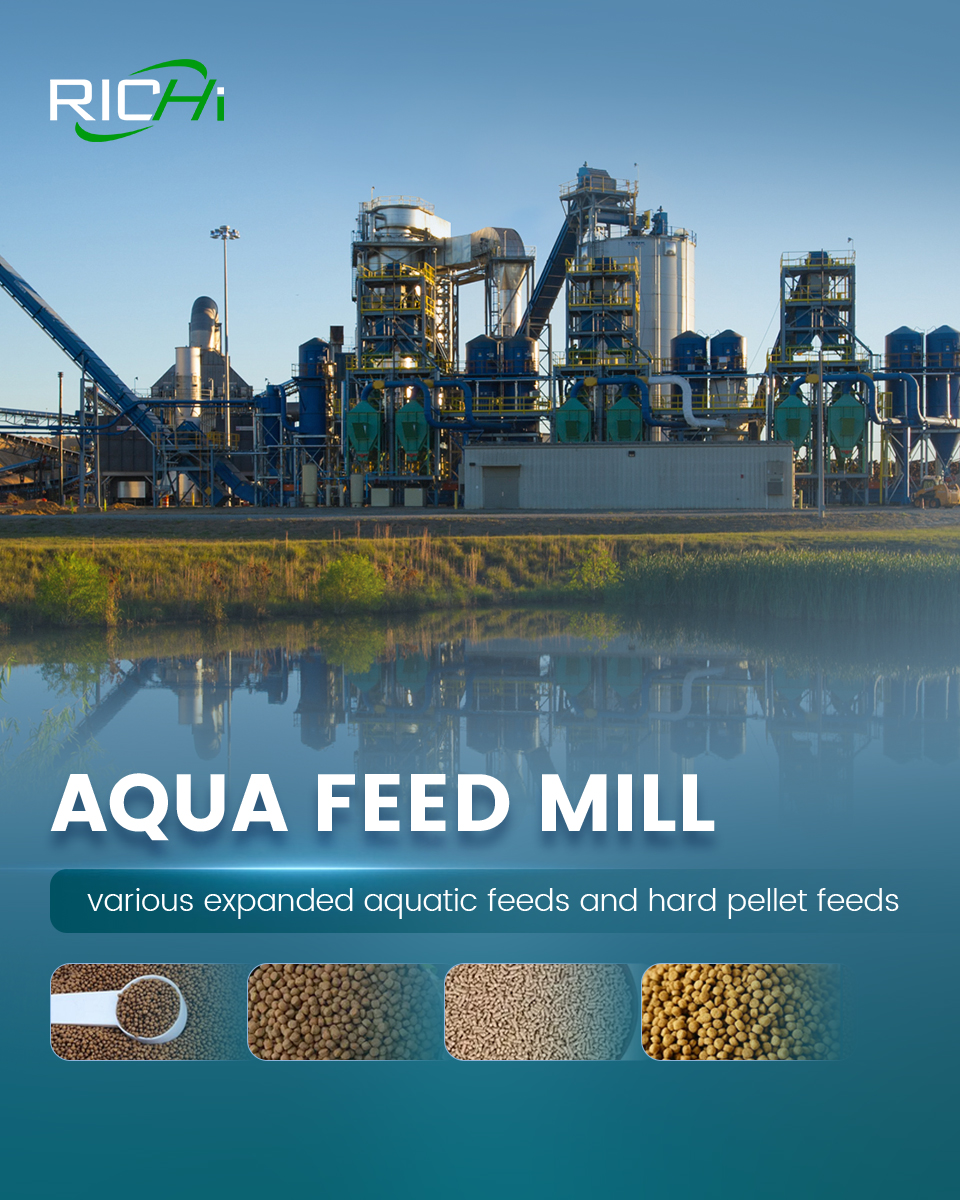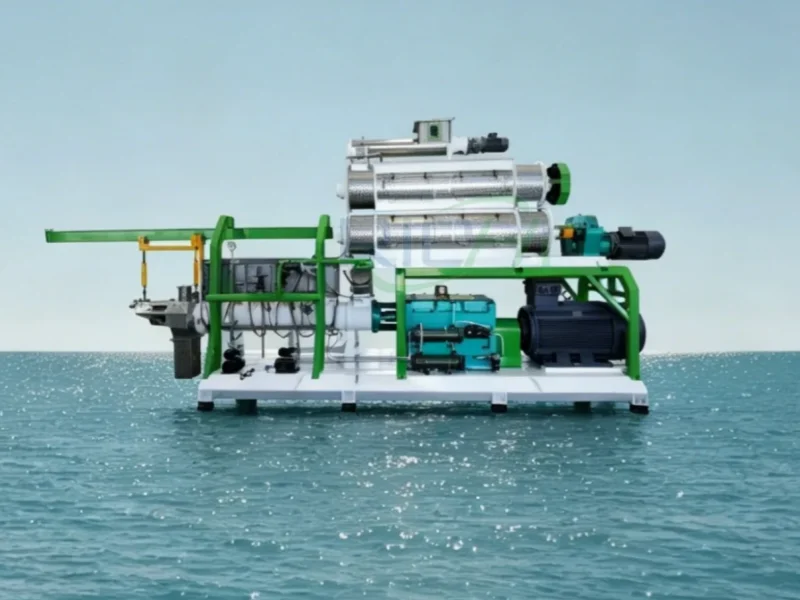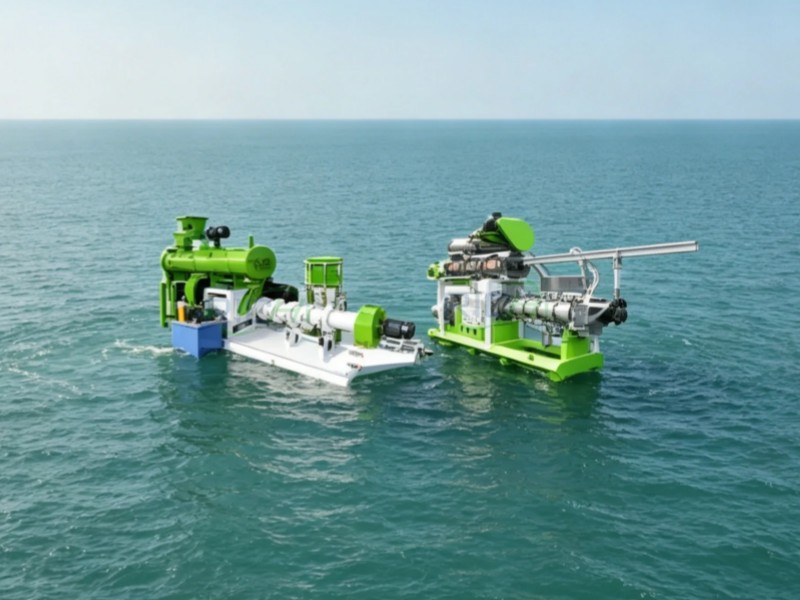


Shrimp-feed manufacturing requires more than simply compressing a mixture of ingredients into pellets. Aquaculture producers need to consider pellet diameter, feed composition, production capacity, water stability, raw-material preparation, and the operating conditions of the farm.
A suitable shrimp feed pellet production equipment configuration should therefore be designed around the final feed specification rather than the pellet machine alone. Small farms, commercial feed manufacturers, and integrated aquaculture operations may require very different production arrangements.
Start With the Target Shrimp
The size and growth stage of shrimp influence the required feed characteristics.
Young shrimp generally consume smaller feed particles, while larger shrimp can accept larger pellets. Producing several sizes may therefore require interchangeable dies and suitable screening equipment.
The feeding environment should also be considered. Shrimp feed needs sufficient physical stability for the feeding period, while excessive hardness may not always be desirable.
These factors should be defined before selecting the production equipment.
Raw-Material Preparation
Shrimp-feed formulas can contain fish meal, soybean meal, corn, wheat, rice bran, vegetable protein sources, oils, minerals, vitamins, and other nutritional ingredients.
The materials do not always arrive at the same particle size or moisture level.
A hammer mill can reduce coarse ingredients before they enter the mixer. Fine and uniform particles can improve mixing and support more consistent pellet formation.
However, the material should not automatically be ground as finely as possible. Grinding specifications should be matched with the formulation and target pellet size.
Why Mixing Matters
After grinding, the ingredients need to be mixed according to the feed formula.
Uniform distribution becomes particularly important when the recipe contains relatively small amounts of vitamins, minerals, additives, or other functional ingredients.
A batch mixer can be suitable for smaller production facilities. Larger plants may use automatic weighing and batching systems to improve material handling and production consistency.
Liquid ingredients such as oil should also be added in a controlled manner so that they are distributed evenly throughout the mixture.
Pelletizing the Feed
The prepared mixture is then compressed through a die to form pellets.
The die diameter determines the approximate pellet size, while the cutting system influences pellet length.
For shrimp feed, the die and operating parameters need to correspond to the target shrimp size. Fine pellets require appropriate material preparation and stable feeding into the pelletizing chamber.
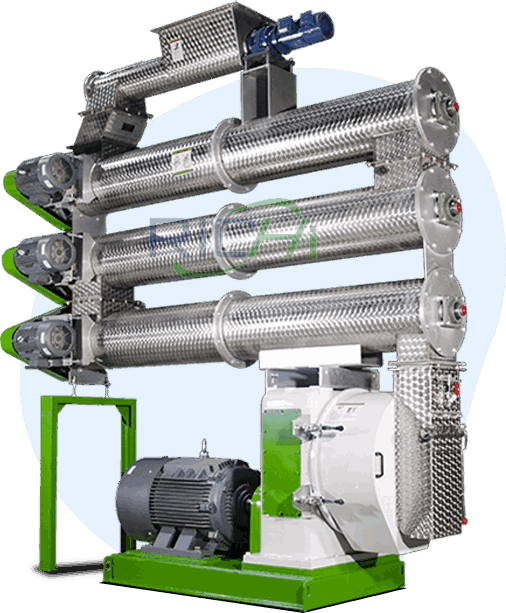
A conventional fish feed pellet machine price can vary according to capacity, motor power, die configuration, materials of construction, and the level of automation included in the system.
For this reason, buyers should compare complete configurations rather than looking only at the machine name or rated capacity.
Conditioning Before Pelletizing
Conditioning can improve the pelletizing process by adding controlled moisture and heat to the feed mixture.
Steam conditioning can soften the material and improve its binding characteristics. It may also help the pellet mill operate more smoothly.
The exact conditions depend on the formula and raw materials. Excessive moisture can create problems during cooling and storage, while insufficient conditioning may affect pellet formation.
Testing the actual feed formula is therefore useful before establishing final operating parameters.
Cooling and Screening
Fresh pellets leave the production chamber at an elevated temperature. They normally need to be cooled before entering storage.
A cooler reduces product temperature and helps stabilize the pellets. Screening then separates fines and oversized material from the finished product.
The screening stage can be especially useful when the manufacturer requires a narrow range of pellet sizes.
Fines that remain suitable for processing can potentially be returned to the production line.
What Capacity Should Be Selected?
Capacity should be based on actual feed demand.
A small shrimp farm may require only a few hundred kilograms of feed per day, while a commercial manufacturer may operate several production lines.
The expected operating hours should also be considered. A machine producing 1 ton per hour, for example, does not necessarily need to operate continuously if the farm’s daily feed requirement is much lower.
Future expansion is another factor. Producers expecting to increase pond numbers or supply additional farms may choose a configuration that allows later capacity expansion.
Which Supporting Machines Are Needed?
A complete production system may include:
- Raw-material receiving system
- Hammer mill
- Feed mixer
- Conditioner
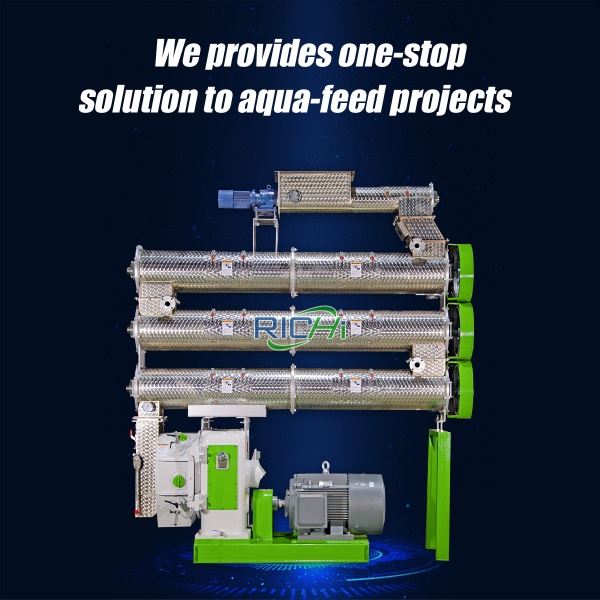
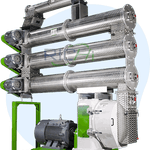
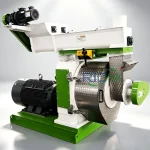
- Pellet mill
- Cooler
- Screener
- Conveyors
- Storage bins
- Packing machine
The actual configuration depends on the raw materials and production scale.
A small operation may use manual weighing and packing, while a larger factory can integrate automatic batching, conveying, storage, and packaging.
How Should Buyers Compare Pellet Mills?
A pellet mill should be evaluated according to capacity, pellet diameter, motor power, die specifications, raw-material compatibility, spare-parts availability, and expected operating hours.
The surrounding equipment is equally important. A high-capacity pellet mill cannot deliver consistent production if the grinder, mixer, cooler, or conveying system cannot keep up.
The complete process should therefore be considered as one production system.
A Typical Shrimp-Feed Process
A conventional production sequence can be organized as:
Raw Materials → Grinding → Mixing → Conditioning → Pelletizing → Cooling → Screening → Packing
The final arrangement can be simplified for small farms or expanded for commercial aquaculture-feed production.
Before purchasing equipment, buyers should provide the shrimp species, target pellet size, desired capacity, feed formula, raw materials, moisture level, electrical specifications, and automation requirements.
This information allows the production line to be matched more closely with the actual application instead of relying on a generic configuration. For additional information about aquatic-feed processing and equipment selection, read more.
Related Post: https://pelletizerequipment.com/wet-type-fish-feed-extruder/