
Aquaculture is evolving rapidly, and feed quality is now one of the most critical factors determining success. For fish farmers aiming to improve feed efficiency, reduce waste, and enhance fish growth, investing in a sinking fish feed machine is becoming less of an option and more of a necessity. But what exactly makes this machine so valuable in modern fish farming?
What Is a Sinking Fish Feed Machine and Why Does It Matter?
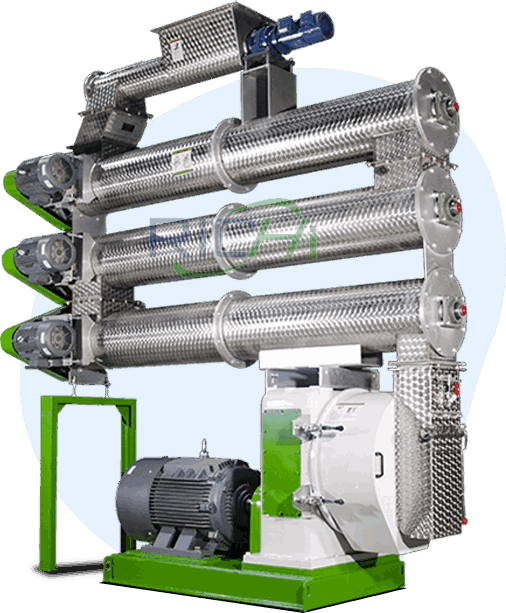
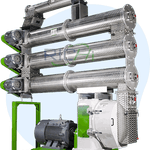
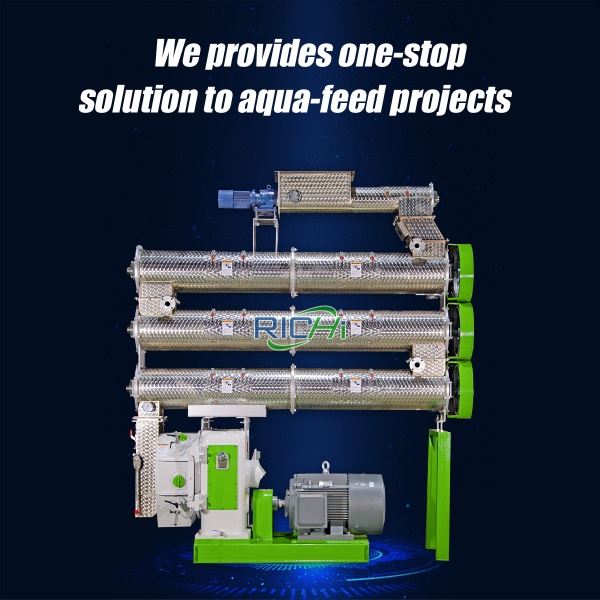
A sinking fish feed machine is specifically designed to produce dense feed pellets that sink quickly in water. These pellets are ideal for bottom-feeding species such as shrimp, catfish, and certain carp varieties. Unlike floating feed, sinking pellets minimize feed loss and allow farmers to better control feeding behavior.
The growing demand for high-protein aquatic products has pushed farmers to adopt more precise feeding technologies. With a sinking fish feed machine, producers can customize pellet size, density, and nutritional composition—ensuring optimal feed conversion rates.
How Does It Compare with Other Feed Processing Equipment?
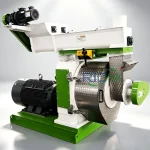
When selecting feed equipment, many users hesitate between different machine types. For example, a livestock feed pellet machine is widely used in poultry and animal farming, but it lacks the capability to produce water-stable aquatic feed. Fish feed requires higher durability and resistance to water disintegration.
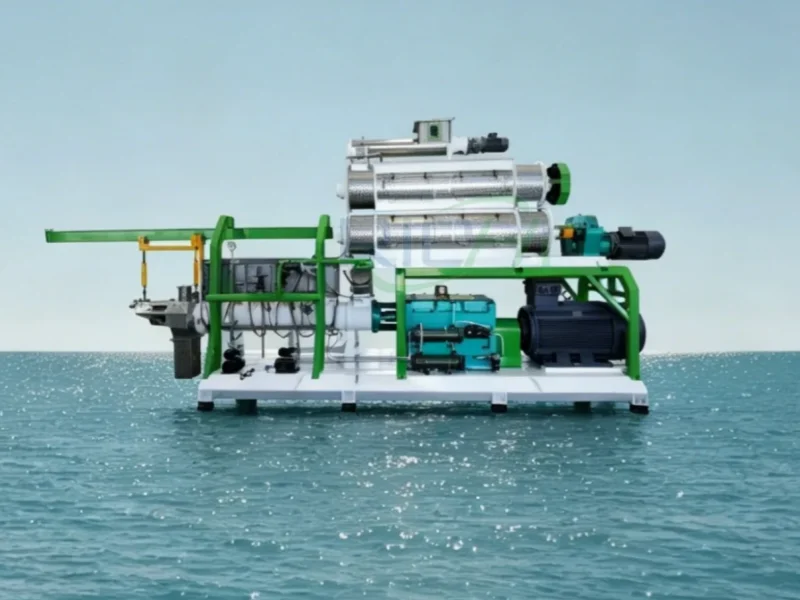
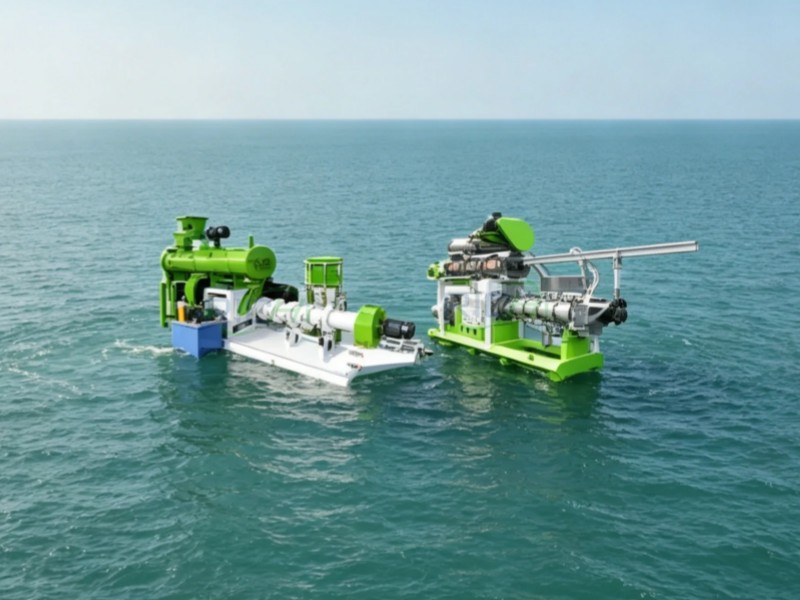
On the other hand, a Wet type fish feed extruder offers flexibility in producing both floating and sinking feed. However, for operations focused purely on sinking pellets, a dedicated pellet machine often provides better energy efficiency and lower operational costs.
Choosing the right equipment ultimately depends on your production goals, target species, and budget.
Key Advantages of Using a Sinking Fish Feed Machine
One of the biggest advantages is improved feed utilization. Since the pellets sink directly to the feeding zone, fish can consume them more naturally, reducing waste and water pollution.
Additionally, the machine ensures uniform pellet quality. Consistent size and density lead to predictable feeding patterns, which directly impact fish growth and farm profitability.
Another often overlooked benefit is cost control. By producing feed in-house, farmers can reduce dependency on commercial feed suppliers and adjust formulations based on raw material availability.
Where Can You Learn More or Get Reliable Equipment?
Finding a trustworthy supplier is just as important as choosing the right machine. A professional manufacturer not only provides equipment but also offers technical support, installation guidance, and customized solutions.
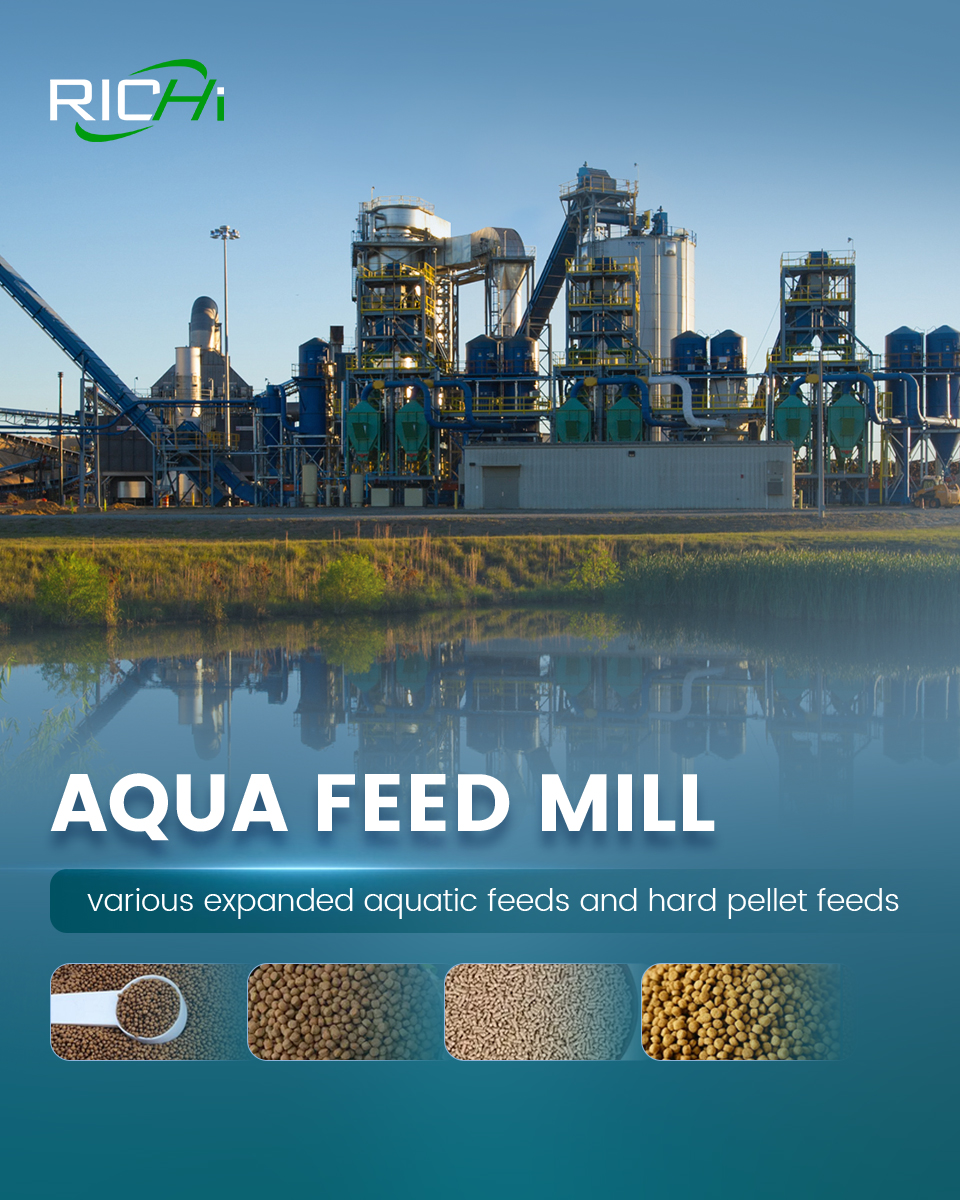
If you are exploring reliable options, visiting a manufacturer’s Web Site can give you insights into product specifications, project cases, and customer feedback. Companies like Richi Machinery have established a strong reputation in feed processing equipment, offering solutions tailored for aquaculture and livestock industries alike.
Final Thoughts: Is It Worth the Investment?
The answer depends on your scale and long-term goals—but for most aquaculture businesses, the benefits are clear. A sinking fish feed machine enhances feed efficiency, improves water quality, and supports sustainable farming practices.
As the industry continues to move toward precision feeding and environmental responsibility, adopting the right feed processing technology is no longer optional—it’s a strategic move toward higher profitability.