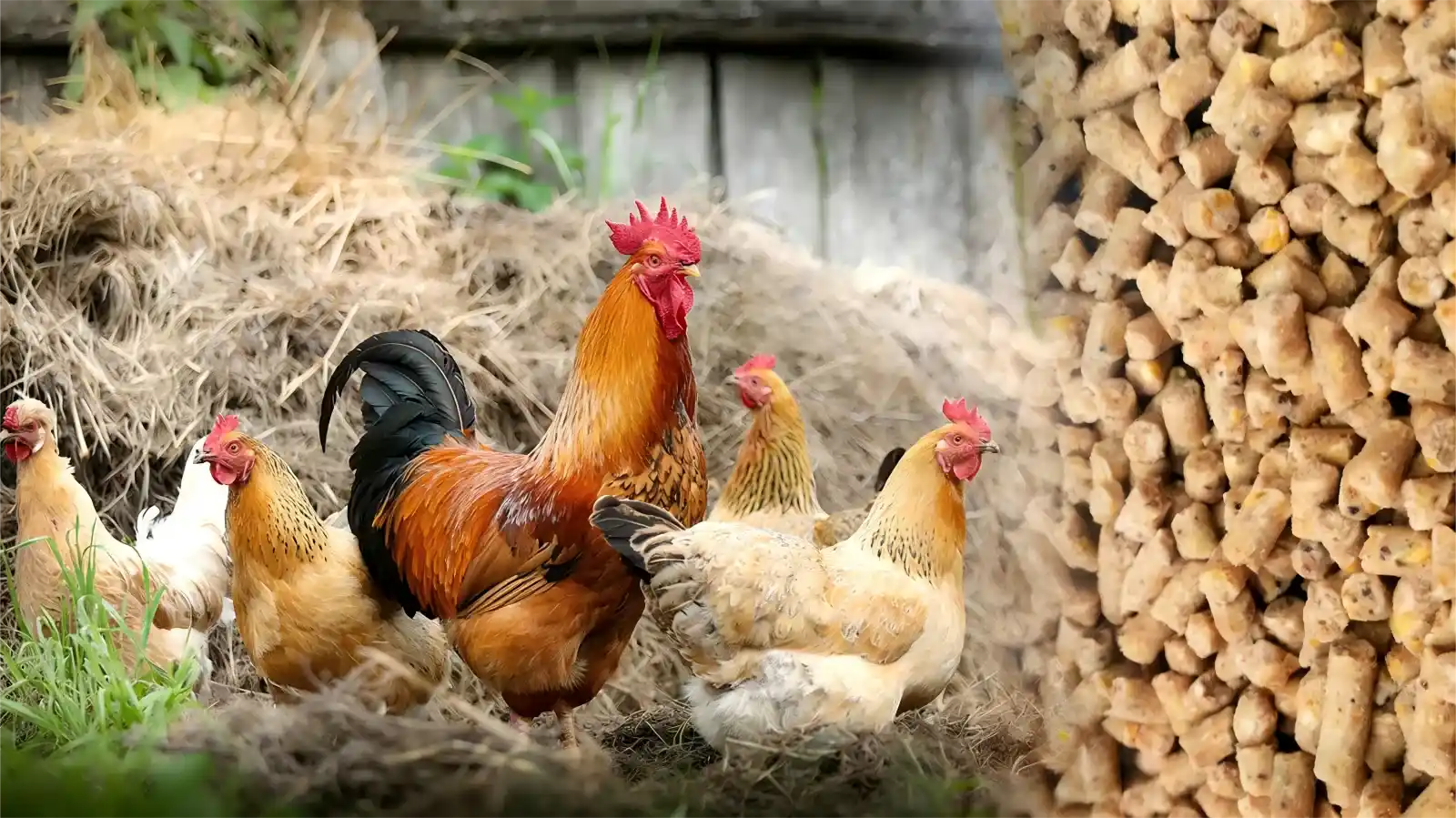


Grass pellets have become one of the most widely used feed forms in modern animal husbandry. From dairy cattle and beef cattle to sheep, goats, horses, and even small livestock, grass-based pellets are increasingly replacing traditional loose hay and fresh forage. This shift is not accidental. It is driven by clear advantages in nutrition, efficiency, storage, transportation, and overall farm management.
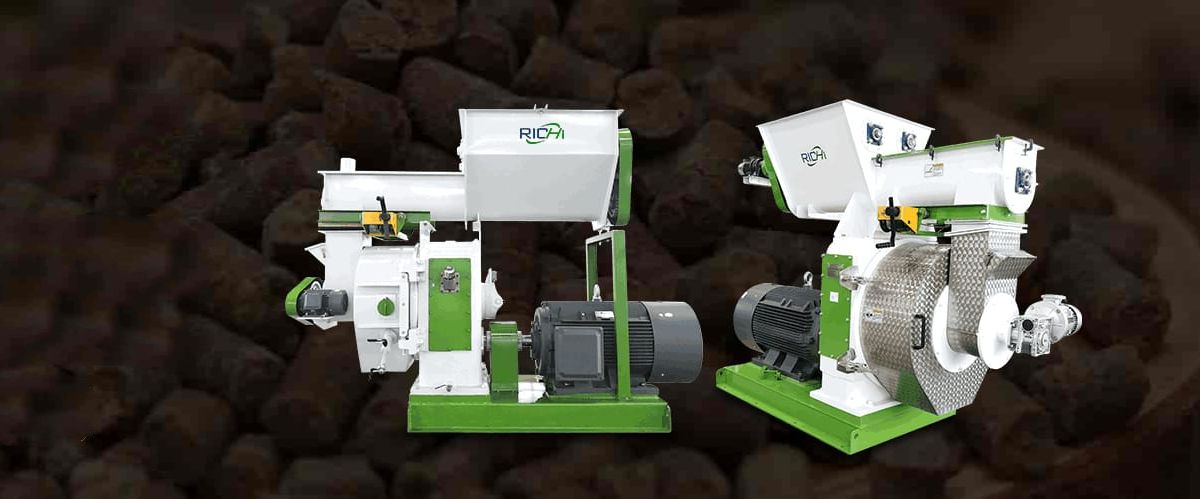
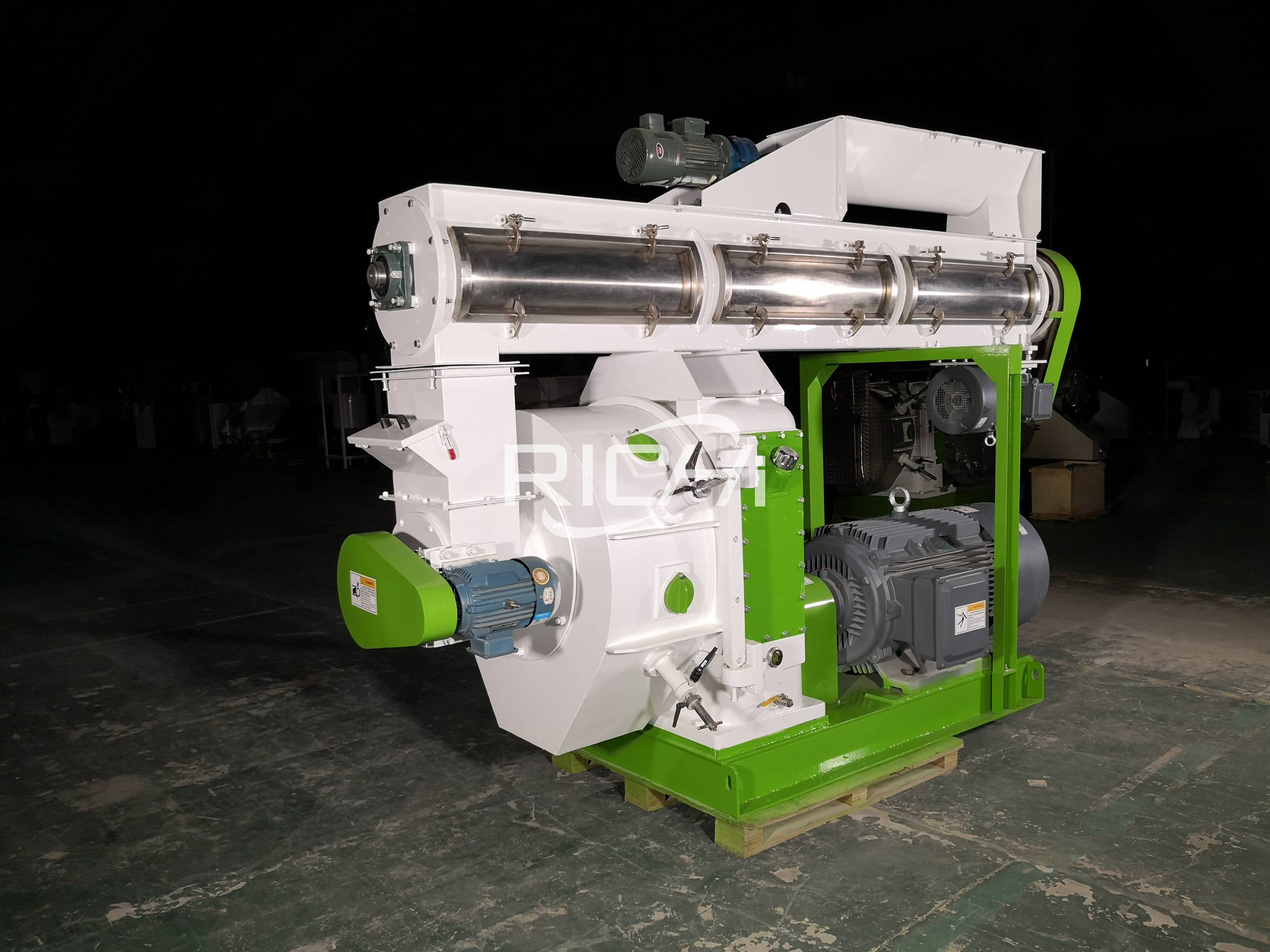
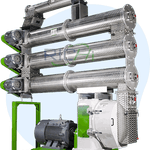
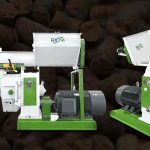
In a world where livestock production must balance cost efficiency, environmental sustainability, and animal performance, grass pellets offer a practical and scalable solution. Produced through specialized machinery such as the alfalfa pellet machine for sale and hay pellet machine for sale, these compact feed products are transforming how farmers feed animals across the globe.
This article explores in detail why grass pellets are so popular in animal feeding, covering their nutritional benefits, production process, economic value, and role in modern livestock systems.
1. Understanding Grass Pellets in Animal Nutrition
Grass pellets are compressed feed products made from dried forage materials such as:
- Alfalfa
- Timothy grass
- Ryegrass
- Clover
- Mixed hay
- Straw-based forage
These materials are processed, ground, and compressed into dense cylindrical pellets using high-pressure machines.
1.1 Why Pellet Form Matters
Turning loose grass into pellets provides several key benefits:
- Higher feed density
- Better nutrient retention
- Easier storage and transport
- Reduced waste
- Improved feeding efficiency
Pellets eliminate many inefficiencies associated with traditional forage feeding.
2. Nutritional Advantages of Grass Pellets
One of the main reasons grass pellets are popular is their strong nutritional profile.
2.1 High Fiber Content for Ruminants
Ruminant animals such as cattle, sheep, and goats require fiber-rich diets.
Grass pellets provide:
- Stable digestion
- Healthy rumen fermentation
- Improved nutrient absorption
Fiber is essential for maintaining digestive health.
2.2 Rich in Natural Nutrients
Depending on the raw material, grass pellets contain:
- Protein
- Carbohydrates
- Vitamins (especially A and E precursors)
- Minerals such as calcium and magnesium
Alfalfa-based pellets are especially nutrient-dense.
2.3 Balanced Energy Supply
Grass pellets provide a balanced energy source that supports:
- Growth
- Milk production
- Reproduction performance
This makes them suitable for both dairy and meat production systems.
3. Role of Alfalfa Pellet Machine for Sale in Feed Production
The alfalfa pellet machine for sale has become increasingly popular among farmers and feed producers due to its ability to convert high-value alfalfa into dense, transportable pellets.
3.1 Why Alfalfa Is So Valuable
Alfalfa is often called the “queen of forage crops” because it contains:
- High crude protein levels
- Rich vitamin content
- Excellent digestibility
- Strong animal growth support
3.2 Function of Alfalfa Pellet Machine
This machine:
- Processes dried alfalfa
- Compresses it into uniform pellets
- Preserves nutritional value
- Improves storage stability
3.3 Benefits for Farmers
Using an alfalfa pellet machine for sale allows farmers to:
- Reduce feed waste
- Improve feed efficiency
- Add value to harvested crops
- Produce commercial feed products
This significantly increases profitability.
https://pelletisingmachine.com/alfalfa-pellet-mill-for-sale
4. Importance of Hay Pellet Machine for Sale in Livestock Feeding
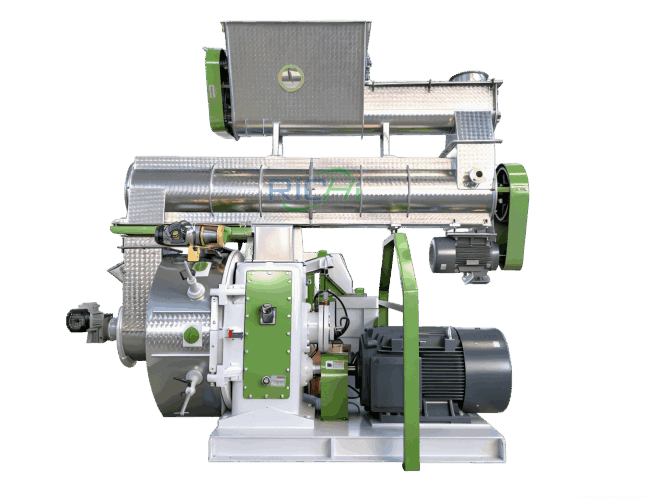
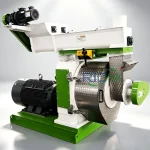
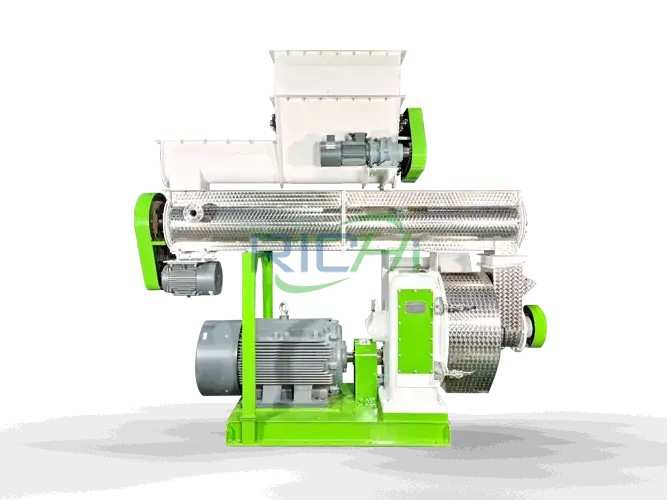
The hay pellet machine for sale is another important piece of equipment widely used in grass pellet production.
4.1 What Hay Pellets Are
Hay pellets are made from:
- Dried grass
- Mixed forage
- Crop residues
They are widely used in livestock diets as a fiber-rich feed source.
4.2 Function of Hay Pellet Machine
This machine:
- Crushes and conditions hay
- Compresses material into pellets
- Produces uniform feed size
- Enhances feed handling efficiency
4.3 Advantages for Animal Feeding
Hay pellets offer:
- Consistent feed quality
- Easy portion control
- Reduced storage space
- Less feed contamination
4.4 Why Farmers Prefer It
The high-efficiency hay pellet machine for sale is popular because it:
- Reduces manual labor
- Improves feeding efficiency
- Makes feed distribution easier
5. Improved Feed Efficiency and Reduced Waste
One of the biggest reasons grass pellets are popular is their ability to reduce feed waste.
5.1 Problems with Loose Forage
Traditional feeding methods often lead to:
- Animals selecting only preferred parts
- Feed being trampled
- Spoilage due to exposure
- Uneven nutrient intake
5.2 How Pellets Solve These Issues
Grass pellets ensure:
- Complete consumption
- No selective feeding
- Minimal waste
- Controlled portions
This improves overall farm efficiency.
6. Better Storage and Transportation
Grass pellets are significantly easier to store and transport than loose forage.
6.1 Storage Advantages
- Lower moisture content
- Resistance to mold
- Long shelf life
- Compact size
6.2 Transportation Benefits
- Reduced volume
- Lower shipping cost
- Easier handling
- More efficient logistics
These advantages are especially important for large-scale farming operations.
7. Improved Feed Conversion Ratio (FCR)
Feed conversion ratio measures how efficiently animals convert feed into body weight or milk.
7.1 How Grass Pellets Improve FCR
Grass pellets improve FCR by:
- Enhancing digestibility
- Reducing feed waste
- Providing balanced nutrition
- Ensuring consistent intake
7.2 Resulting Benefits
- Lower feed cost per animal
- Faster growth rates
- Higher production efficiency
8. Consistent Nutrition for Livestock
Consistency is critical in animal feeding.
8.1 Problems with Natural Forage
- Nutrient variability
- Seasonal differences
- Uneven quality
8.2 Advantages of Pellets
Grass pellets provide:
- Standardized nutrient content
- Stable feed quality year-round
- Predictable animal performance
9. Role in Ruminant Animal Health
Grass pellets support digestive health in ruminants.
9.1 Rumen Function
Fiber in grass pellets helps:
- Maintain microbial balance
- Support fermentation
- Improve nutrient absorption
9.2 Health Benefits
- Better digestion
- Stronger immunity
- Improved reproductive performance
10. Economic Benefits for Farmers
Grass pellets offer strong economic advantages.
10.1 Value Addition
Using machines like:
- alfalfa pellet machine for sale
- hay pellet machine for sale
farmers can turn raw forage into marketable products.
10.2 Cost Reduction
- Lower feed waste
- Reduced transportation costs
- Improved feed efficiency
11. Environmental Benefits of Grass Pellets
Grass pellets support sustainable agriculture.
11.1 Waste Reduction
- Utilizes agricultural residues
- Reduces crop waste
11.2 Lower Environmental Impact
- Less feed loss
- Reduced pollution
- Efficient land use
12. Automation and Modern Feed Production
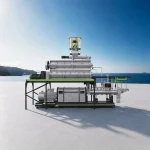
Modern grass pellet production uses automated systems. (Discover More Here)
12.1 Benefits of Automation
- Stable production quality
- Reduced labor costs
- High production efficiency
12.2 Integration with Pellet Machines
Machines like:
- alfalfa pellet machine for sale
- hay pellet machine for sale
are key components of automated production lines.
13. Flexibility in Animal Feeding Applications
Grass pellets are used in many livestock systems:
- Dairy cattle farms
- Beef cattle operations
- Sheep and goat farms
- Horse nutrition systems
14. Quality Control in Pellet Production
Maintaining quality requires:
- Proper raw material drying
- Accurate particle size control
- Moisture regulation
- Regular equipment maintenance
15. Challenges in Grass Pellet Production
Despite advantages, challenges include:
- Initial equipment investment
- Raw material variability
- Energy consumption
- Machine maintenance
16. Future Trends in Grass Pellet Feeding
The future of grass pellets includes:
- Smart feed production systems
- AI-based nutrition formulation
- Energy-efficient pellet machines
- Sustainable feed innovations
Conclusion
Grass pellets are becoming increasingly popular in animal feeding due to their nutritional value, convenience, efficiency, and economic benefits. They provide a stable and consistent feed source that improves livestock performance while reducing waste and operational costs.
The widespread use of advanced equipment such as the alfalfa pellet making machine and hay pellet machine for sale has made it easier for farmers and feed producers to convert raw forage into high-quality pellet feed. These machines play a crucial role in modernizing livestock nutrition systems.
As global agriculture continues to evolve, grass pellets will remain a key component of efficient, sustainable, and profitable animal feeding practices worldwide.