


As renewable energy industries continue expanding worldwide, agricultural waste is becoming an increasingly valuable resource for fuel production. Rice-producing countries generate enormous quantities of rice husks every year, creating both disposal challenges and energy opportunities. Instead of burning or discarding this by-product, many businesses are investing in biomass pellet production systems to convert rice husks into clean fuel. In this growing market, the rice husk pellet machine plays a critical role in improving energy efficiency and sustainability.
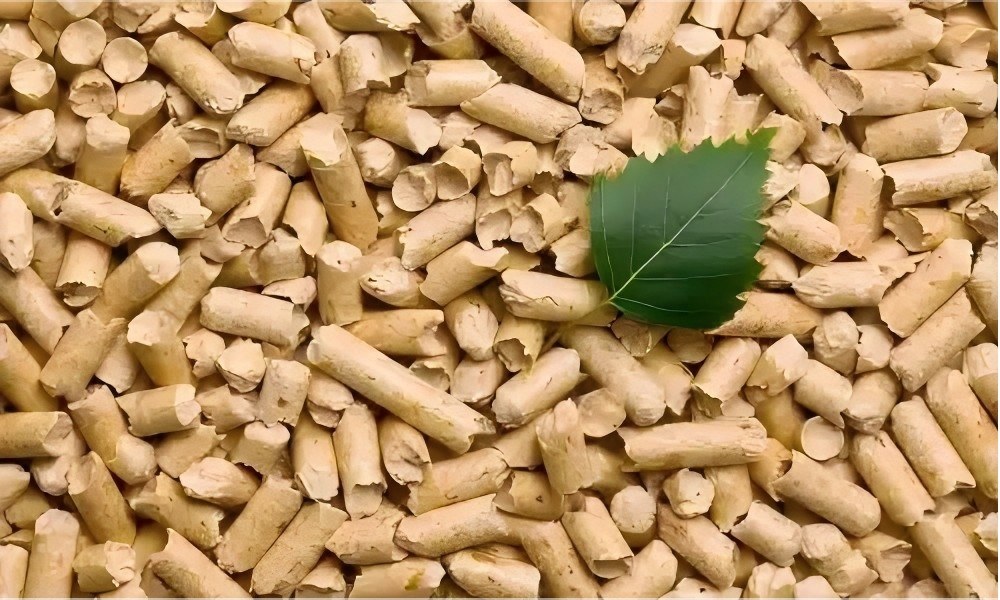
Rice husk pellets are widely used in industrial boilers, biomass heating systems, and renewable power generation plants. Compared with loose biomass materials, pellets are easier to transport, store, and burn efficiently. Their stable combustion performance also makes them suitable for commercial fuel applications.
Why Rice Husk Pellets Are Gaining Attention
Rice husks are produced in large volumes during rice processing. In many agricultural regions, these residues accumulate quickly and create environmental concerns if not properly managed. Biomass pelletizing provides a practical solution by turning low-value agricultural waste into profitable energy products.
One major advantage of pellet fuel is its higher bulk density. Pelletized rice husks occupy less storage space and can be transported more economically than raw husks. In addition, pellets burn more consistently and generate less dust during handling.
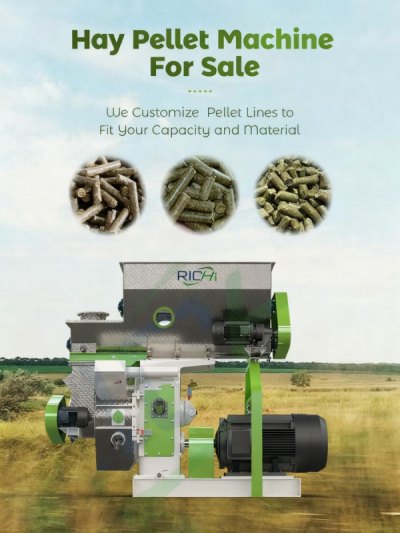
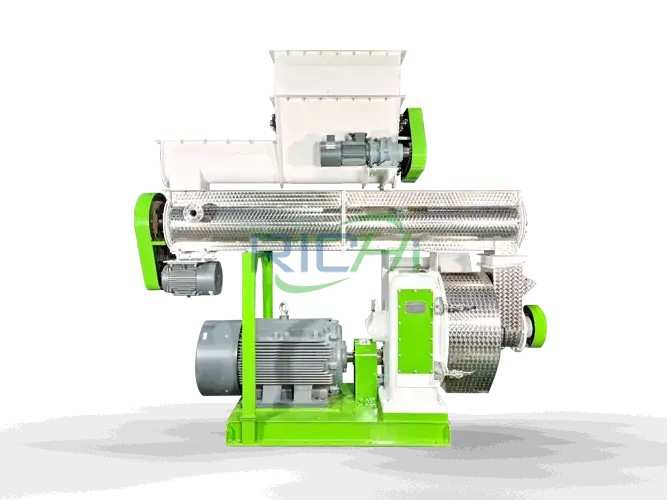
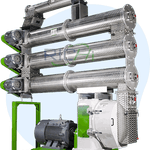
To process abrasive raw materials effectively, many manufacturers rely on advanced husk pellet machine systems designed specifically for fibrous biomass materials with high silica content. These machines improve pellet quality while maintaining stable long-term operation.
Main Components of a Rice Husk Pellet Production Line
A complete rice husk pellet plant usually includes several processing stages. First, the raw material is cleaned and screened to remove impurities such as stones or metal particles. Depending on the moisture level, drying equipment may also be required before pelletizing.
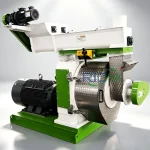
After pretreatment, grinding or crushing equipment helps achieve a suitable particle size for compression. The pellet mill then applies high pressure to form dense cylindrical fuel pellets. Finally, cooling, screening, and packaging systems prepare the pellets for storage and distribution.
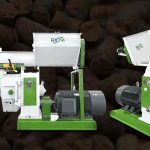
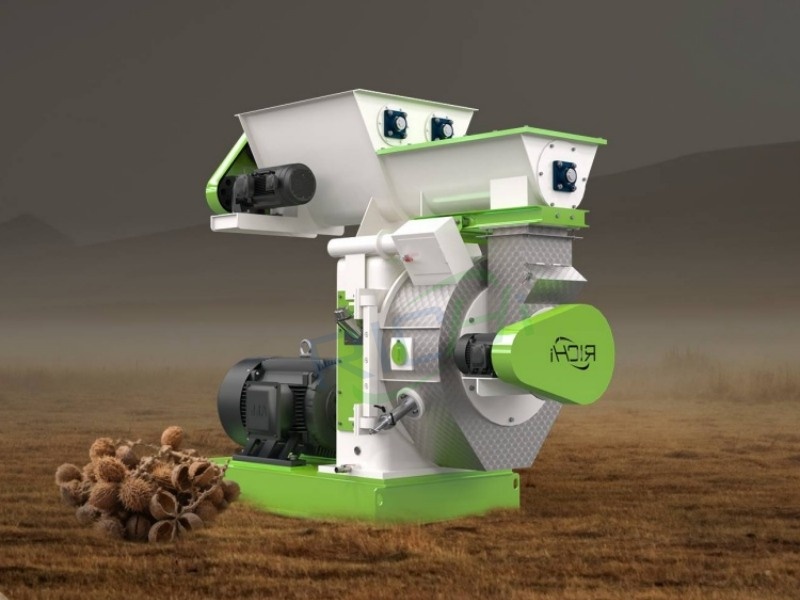
For medium and large commercial projects, the industrial rice husk pellet making machine for sale is becoming increasingly popular because it offers stable production capacity and improved durability for demanding biomass applications.
Advantages of Modern Pelletizing Technology
Modern biomass pellet equipment focuses heavily on automation, efficiency, and operational reliability. Advanced control systems allow operators to monitor feeding speed, pellet temperature, and machine performance in real time. This helps improve pellet consistency while reducing labor requirements.
Durability is another important factor when processing rice husks. Due to the high silica content of rice husks, pellet machine components experience significant wear during production. High-quality pellet mills use reinforced ring dies, durable rollers, and optimized transmission systems to improve equipment lifespan.
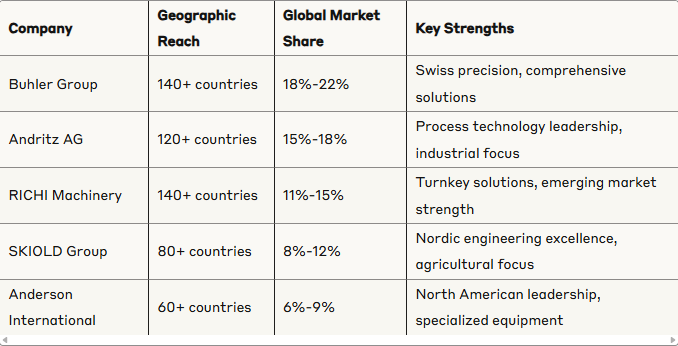
Manufacturers such as Richi Pellet Machine are known for providing customized biomass pellet solutions for various agricultural residues, including rice husks, peanut shells, and straw materials. Tailored engineering solutions can help investors optimize production efficiency according to local raw material conditions.
How to Choose the Right Rice Husk Pellet Machine
Before investing in pellet production equipment, buyers should evaluate several important factors. These include raw material moisture, target production capacity, plant layout, energy consumption, and automation level.
Future expansion plans should also be considered during project planning. Many investors prefer modular production lines that allow additional equipment to be added later as demand increases. Proper equipment matching is essential for reducing operating costs and improving pellet quality.
For more detailed technical guidance and biomass production solutions, you can see post for additional project references and pelletizing information.
Future Outlook for Biomass Pellet Production
The global biomass energy market continues to grow as industries seek cleaner and more sustainable fuel alternatives. Agricultural waste recycling is becoming an important strategy for reducing pollution while creating new economic opportunities.
With advanced pelletizing technology and efficient production management, rice husk pellet manufacturing offers strong potential for biomass fuel suppliers, agricultural processing companies, and renewable energy investors worldwide.
(Related Post: https://biomasspelletizer.com/husk-pellet-machine/)