


In modern agriculture, one of the biggest challenges is not only how much is produced, but how much value can be extracted from what is already available. Cassava farming and processing generate large volumes of residues, including peels, pulp, and starch by-products. Traditionally, these materials were either discarded or used in very low-value applications.
However, with the rapid development of pelletizing technology, these so-called “waste materials” are now being redefined as valuable resources. Through advanced processing systems, cassava residues can be converted into durable, transportable, and commercially attractive pellet products.
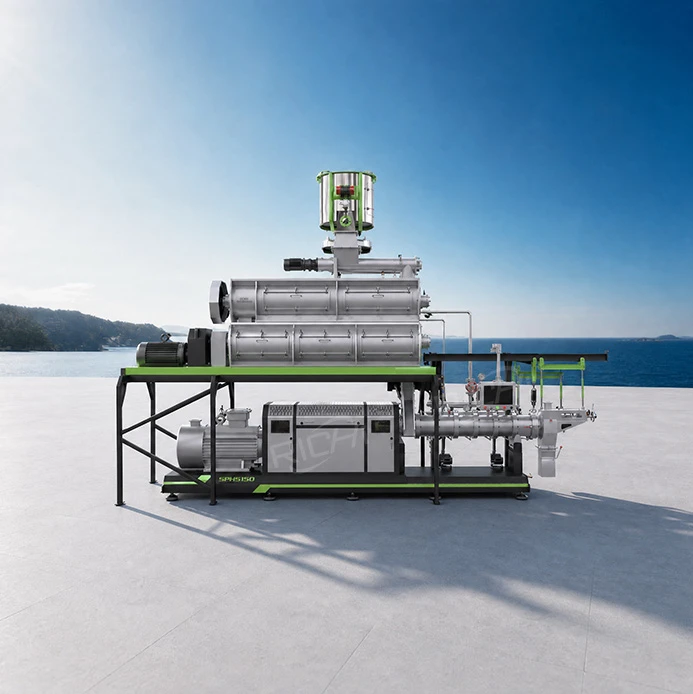
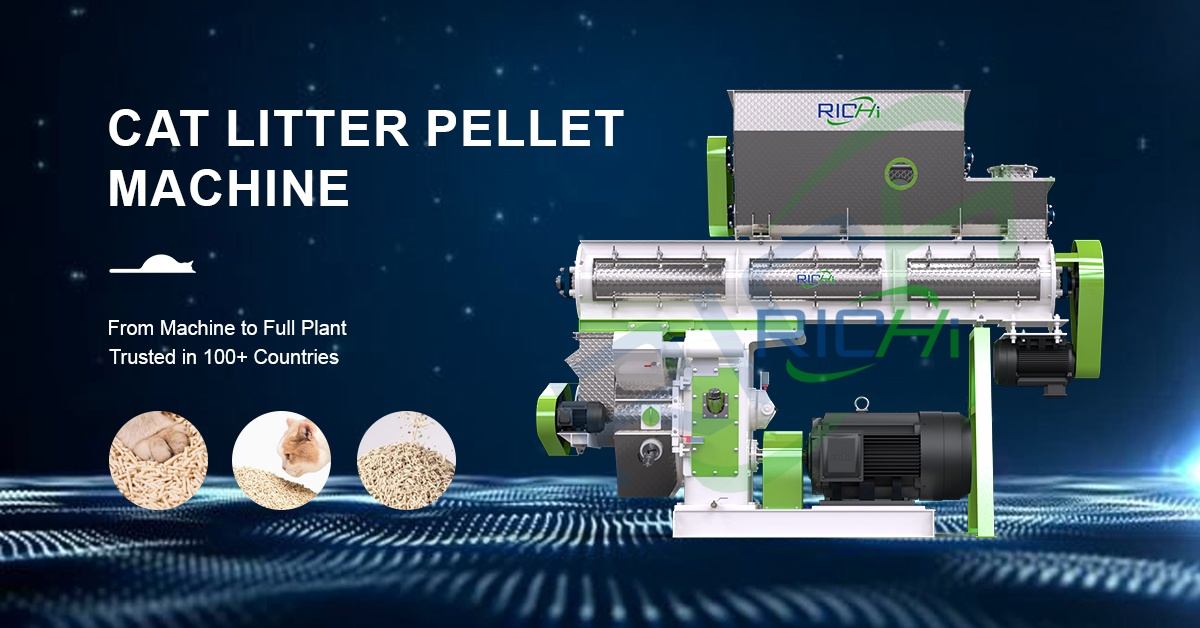
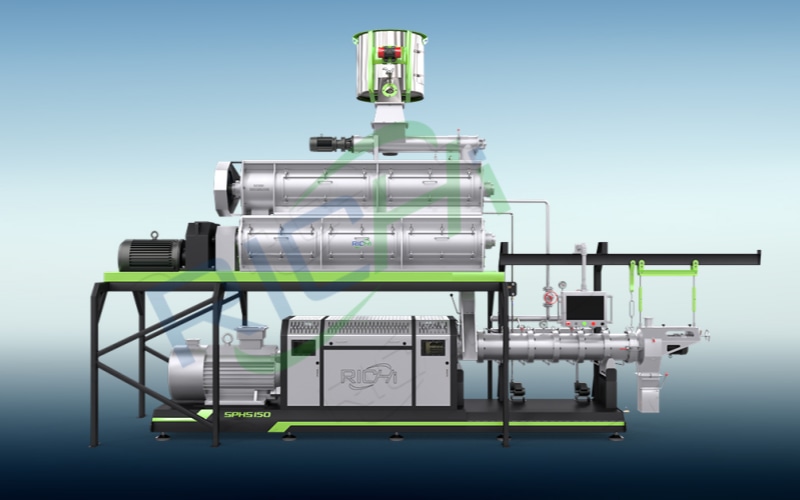
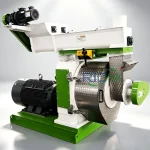
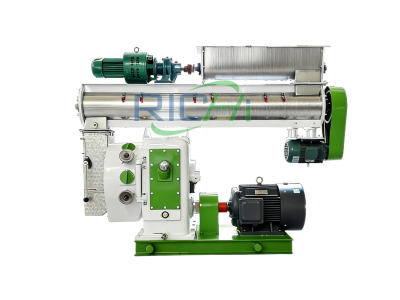
At the center of this transformation is the cassava pellet mill, a key piece of equipment that enables efficient conversion of raw biomass into standardized pellets suitable for multiple industries.
Why Cassava By-Products Are No Longer “Waste”
In the past, cassava processing focused mainly on starch extraction or direct food use. Once the primary product was removed, the remaining materials were often considered unsuitable for further commercial use.
This perception is changing quickly.
Cassava by-products still contain:
- High levels of organic matter
- Residual starch energy
- Fibrous structures
- Fermentable components
These characteristics make them suitable for further processing rather than disposal. In fact, when properly treated, these materials can become valuable inputs for feed, fertilizer, and biomass energy industries.
The challenge is not the raw material itself, but how it is processed and upgraded.
The Role of Pellet Technology in Value Creation
Pelletizing is a mechanical and thermal process that converts loose, irregular materials into dense, uniform pellets.
During processing, cassava residues are subjected to grinding, conditioning, and compression. This results in a product with improved physical and chemical properties.
Key improvements include:
- Increased bulk density
- Reduced moisture instability
- Better storage performance
- Easier transportation
- Standardized particle size
These advantages significantly improve market acceptance.
This is why many agricultural processors are investing in a cassava pellet machine as part of their value-added production strategy.
Step-by-Step Transformation Process
Turning cassava residues into pellets involves several important stages.
1. Raw Material Collection
Materials such as cassava peels, pulp, and processing residues are collected from farms or factories. Proper separation ensures consistency in production.
2. Size Reduction
Before pelletizing, raw materials must be processed into smaller particles. Grinding equipment ensures uniformity, which is critical for stable pellet formation.
3. Moisture Conditioning
Moisture content plays a key role in pellet quality. Too much water leads to weak pellets, while too little moisture makes compression difficult.
Steam or controlled drying is often used to achieve optimal conditions.
4. Pellet Formation
Inside the cassava pellet making machine, rollers press material through die holes under high pressure. The combination of heat, pressure, and natural starch binding creates strong, compact pellets.
5. Cooling and Stabilization
Fresh pellets are hot and soft when they exit the machine. Cooling systems help stabilize structure and improve hardness before packaging.
Industrial Applications of Cassava Pellets
Once processed, cassava pellets can enter multiple markets.
Animal Feed Industry
Cassava pellets are widely used as energy-rich feed ingredients for livestock such as cattle, pigs, and poultry. Their stable form makes them easy to mix and transport.
Aquaculture Feed
In fish farming, cassava-based ingredients are often used as carbohydrate sources in feed formulations.
Organic Fertilizer Production
Cassava residues can be blended with manure or other organic materials to produce nutrient-rich fertilizer pellets.
Biomass Energy
Some cassava by-products can also be used as renewable fuel, especially when combined with other agricultural residues.
This versatility significantly increases the commercial value of cassava processing operations.
Economic Benefits for Agricultural Businesses
One of the most important advantages of pelletizing cassava residues is improved profitability.
Instead of selling low-value waste materials, producers can create standardized products with higher market demand.
Key economic benefits include:
- Higher selling price per ton
- Reduced waste disposal cost
- Additional revenue streams
- Better resource utilization
- Improved production efficiency
For many processors, installing a cassava pelletizer can quickly change the financial structure of their operations.
Storage and Transportation Advantages
Raw cassava residues are often bulky, unstable, and difficult to store. They may ferment or degrade quickly if not handled properly.
Pelletization solves these problems effectively.
Pellets offer:
- Compact storage format
- Lower transportation cost per unit
- Reduced spoilage risk
- Easier handling and packaging
- Better compatibility with logistics systems
These improvements are especially important for export-oriented businesses.
Integration With Modern Processing Systems
Many agricultural enterprises are no longer operating single-function facilities. Instead, they are building integrated processing systems capable of handling multiple raw materials.
For example, cassava processing lines may be combined with:
- Feed production systems
- Biomass energy lines
- Fertilizer production units
- Agricultural waste recycling systems
Some businesses also expand into related equipment such as a pellet mill, allowing flexible production across different raw materials depending on seasonal availability.
This integrated approach improves equipment utilization and reduces downtime.
Environmental and Sustainability Impact
Sustainability has become a key priority in global agriculture.
Cassava pellet production contributes to environmental protection in several ways:
- Reducing agricultural waste
- Lowering open-field decomposition emissions
- Encouraging resource recycling
- Supporting circular economy models
- Minimizing landfill usage
By converting residues into usable products, agricultural businesses contribute to more sustainable production systems.
Key Factors Affecting Pellet Quality
Not all pellet products are the same. Several factors influence final quality.
Raw Material Quality
Clean and consistent materials produce better pellets.
Moisture Level
Optimal moisture ensures stable compression and durability.
Die Design
Different die sizes produce different pellet diameters and densities.
Machine Performance
Stable pressure and temperature control improve output consistency.
Operator Experience
Proper operation ensures efficient and stable production.
Many manufacturers, including companies like Richi manufacture, focus on optimizing these parameters to ensure consistent production results.
Market Expansion Opportunities
Cassava pellet products are not limited to local markets. In fact, international demand is increasing.
Export opportunities exist in:
- Livestock feed markets
- Aquaculture industries
- Fertilizer distributors
- Biomass fuel suppliers
Global buyers often prefer pelletized products because they are easier to handle and more consistent in quality.
This creates strong export potential for cassava-producing regions.
Technological Advancements in Pellet Systems
Modern pellet production systems are becoming more advanced.
New developments include:
- Automated control systems
- Energy-efficient motors
- Smart temperature regulation
- Wear-resistant die materials
- Real-time monitoring sensors
These innovations improve production stability and reduce long-term operating costs.
Many technical resources and industry blog here now provide updates on these improvements for investors and operators.
Challenges in Cassava Pellet Production
Although pellet technology offers many advantages, operators may face challenges such as:
Raw Material Variability
Different cassava sources may require process adjustments.
Equipment Wear
High-pressure systems naturally experience wear over time.
Moisture Control Issues
Improper drying can affect pellet quality.
Energy Consumption
Large-scale production requires efficient power management.
Proper system design and maintenance can effectively solve most of these issues.
Future Outlook for Cassava Processing
The future of cassava processing is closely tied to value-added technologies.
As demand for sustainable and efficient agricultural production increases, pellet systems will continue to play a key role.
We can expect:
- Greater automation in production lines
- Wider adoption in developing regions
- Expansion into new product applications
- Increased focus on waste-to-value systems
Agricultural processors who invest early in this technology will likely gain a competitive advantage in future markets.
Additional industry insights and equipment developments can often be found through go to website resources focused on biomass and agricultural processing innovation.
Conclusion
Cassava residues are no longer simply agricultural waste. With the help of modern pellet technology, they have become valuable raw materials for feed, fertilizer, and energy industries.
By investing in systems such as the wood chip pellet machine for sale, agricultural businesses can significantly improve profitability, reduce waste, and expand into new markets.
As global demand for efficient resource utilization continues to grow, cassava pellet production represents a practical and sustainable pathway for long-term agricultural development.