


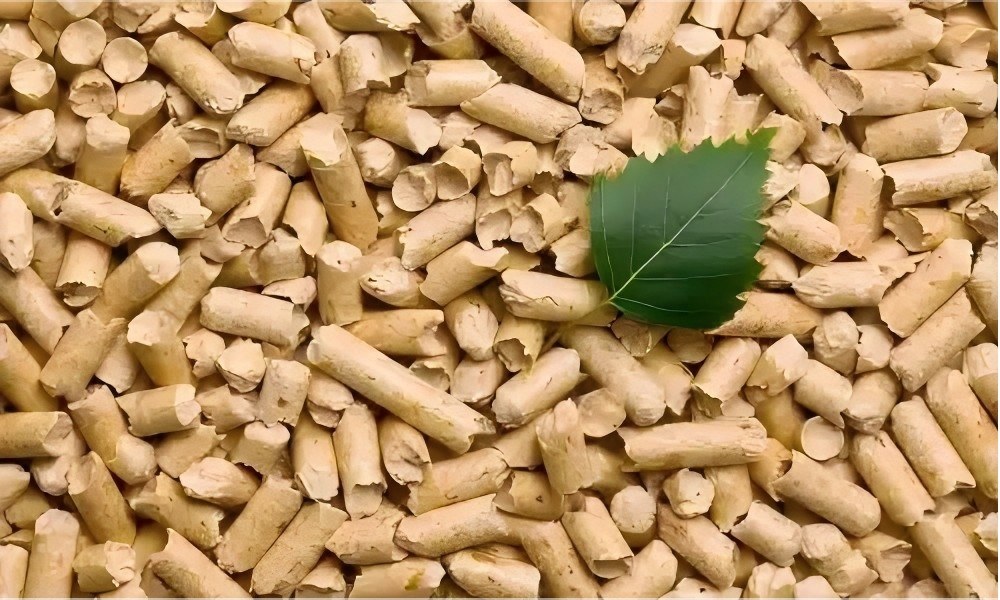
Agricultural waste pellets have emerged as one of the most promising renewable biomass fuels in the global green energy industry. Converted from crop straw, rice husks, corn cobs, sugarcane bagasse and other agricultural residues, these compact biomass pellets feature high combustion efficiency, low pollution, convenient storage and transportation, and excellent carbon-neutral characteristics. Their quality directly determines market competitiveness, combustion performance, service life and economic value. High-quality agricultural waste pellets are characterized by uniform density, low moisture content, high hardness, low ash content and stable calorific value, which can meet the strict energy supply standards of industrial boilers, power generation enterprises and civilian heating systems. In contrast, low-quality pellets are prone to cracking, mildew, insufficient combustion and excessive smoke, resulting in low energy utilization efficiency and even equipment damage. In the industrial production of biomass pellets, the straw pellets machine is the core processing equipment that shapes pellet molding and physical properties, while a variety of interconnected factors jointly restrict the final finished product quality. This paper systematically analyzes the key factors affecting agricultural waste pellet quality from the aspects of raw material characteristics, equipment performance, production technology, operating parameters and post-processing management, providing theoretical and practical guidance for standardized high-quality pellet production.
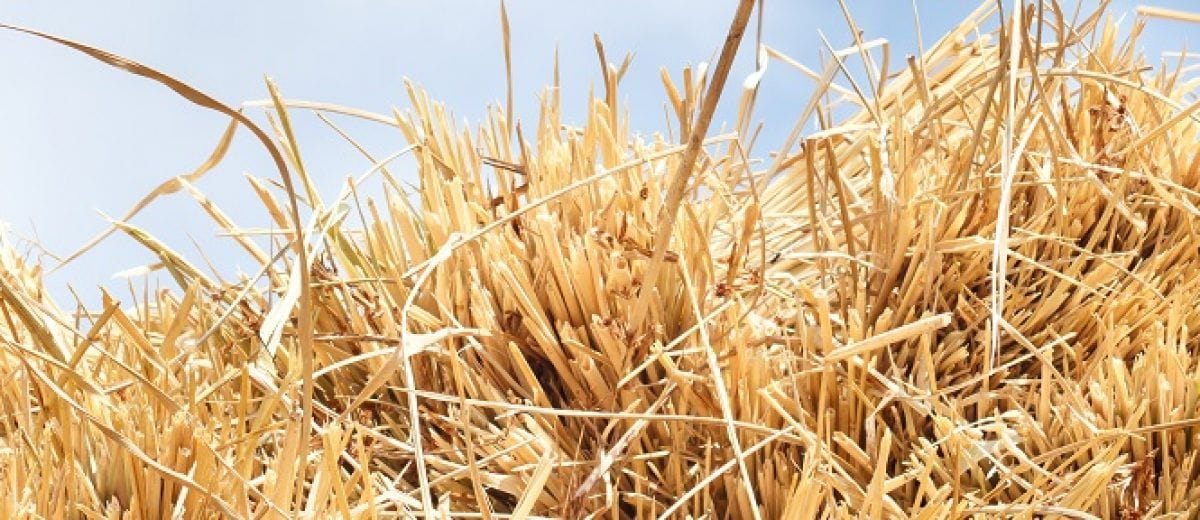
Raw material property is the primary fundamental factor that determines the basic quality of agricultural waste pellets. Different types of agricultural waste have distinct physical and chemical compositions, including fiber structure, lignin content, ash content and calorific value, which lay different quality foundations for finished pellets. Crop straws such as rice straw and wheat straw have moderate fiber toughness and lignin content, making them easy to mold and form high-hardness pellets. In comparison, rice husks have hard and brittle textures with low fiber activity, while corn stalks contain more crude fibers and impurities, both of which increase the difficulty of fine processing and reduce pellet uniformity. In addition, the impurity content of raw materials exerts a crucial impact on pellet quality. Unprocessed agricultural waste is often mixed with soil, stones, dead leaves and sundries. These inorganic impurities cannot be combusted completely, which will significantly increase the ash content of finished pellets, reduce calorific value, and even cause abrasion and blockage of the straw pellets machine during production. Therefore, raw material screening and purification are essential preconditions for ensuring high pellet quality.
Moisture content of raw materials is another decisive raw material indicator affecting pellet molding quality and combustion performance. The optimal moisture range for agricultural waste pellet molding is universally recognized as 8% to 12%. If the raw material moisture is too high, the excess water will vaporize rapidly during the high-pressure extrusion process of the straw pellets machine, forming internal gaps and tiny cracks inside the pellets. This makes finished pellets loose and fragile, easy to break during transportation and storage, and susceptible to mildew and deterioration. Meanwhile, high-moisture pellets will produce a large amount of water vapor during combustion, leading to insufficient combustion, reduced heat output and increased smoke emission. On the contrary, excessively dry raw materials lack appropriate flexibility and adhesion. Without the bonding effect of trace water molecules, the fiber structure is difficult to compress tightly, resulting in low pellet density and poor molding stability. Only raw materials with standardized moisture content can cooperate with the straw pellets machine to produce dense, smooth and durable high-quality pellets.
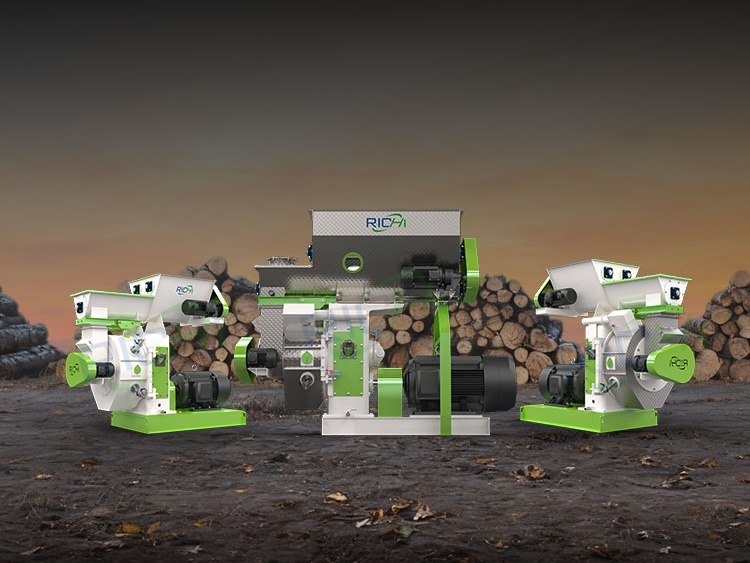
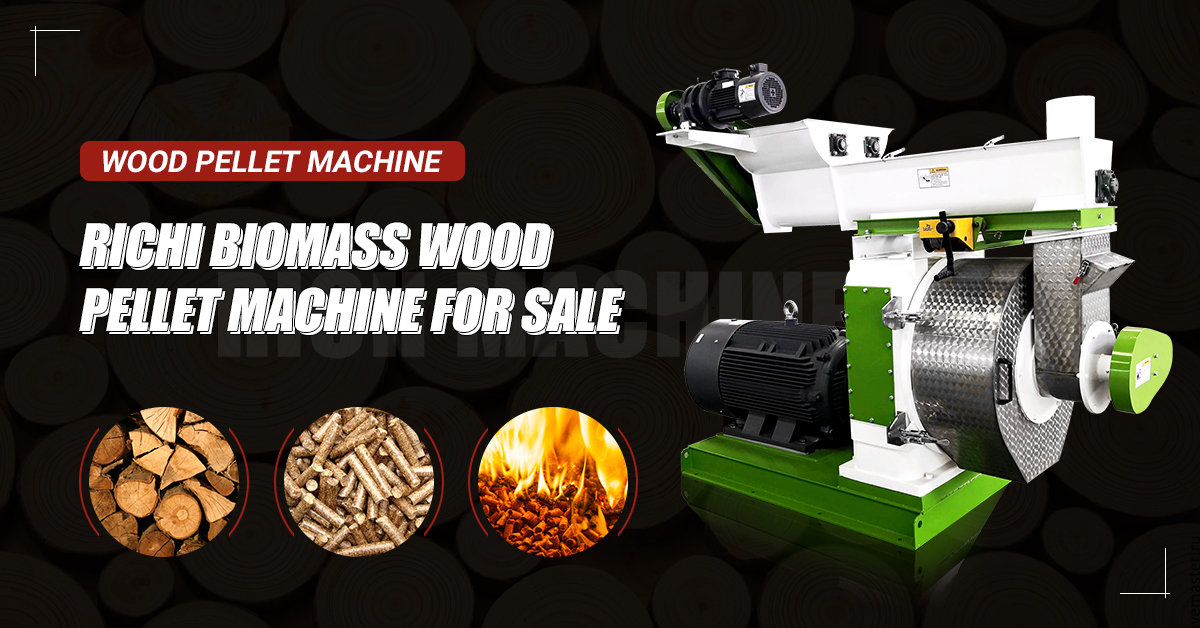
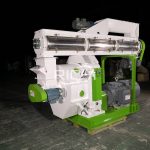
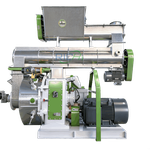
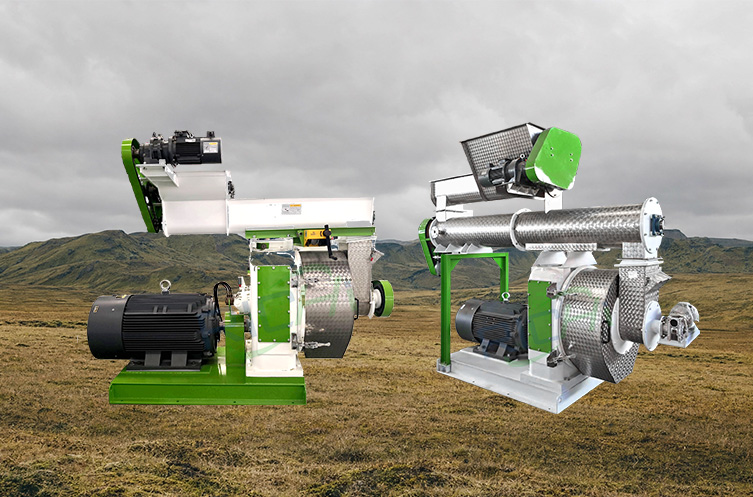
Processing equipment performance, especially the working state and technical parameters of the straw pellets machine, is the core industrial factor that directly controls pellet forming quality. As the key equipment for compression and molding, the working precision, pressure stability and structural condition of the straw pellets machine determine the density uniformity, surface smoothness and hardness of finished pellets. New, well-maintained straw pellets machines have stable roller pressure and precise mold aperture, which can evenly compress raw material fibers and form pellets with consistent size and density. In contrast, aging equipment with worn molds and loose pressure structures cannot provide stable extrusion force, resulting in uneven pellet thickness, irregular shapes and low overall hardness. Moreover, equipment failure and daily maintenance status also affect product quality. Blocked die holes, stuck rollers and accumulated internal residues will hinder continuous and stable molding, produce defective pellets with cracks and cavities, and greatly reduce the qualified rate of finished products. The model matching degree of the straw pellets machine and raw materials is also critical. Different equipment models are designed for specific fiber characteristics, and mismatched models will lead to low molding efficiency and poor pellet quality.
https://richipelletizer.com/straw-pellet-machine-for-sale
Production process parameters are adjustable key variables that finely control agricultural waste pellet quality, mainly including extrusion pressure, molding temperature and feeding speed. The straw pellets machine relies on mechanical pressure and slight friction heat to soften lignin and bond fibers. Appropriate extrusion pressure can fully compress loose raw materials to form high-density pellets. Insufficient pressure leads to loose pellet structure, while excessive pressure will cause excessive friction and high temperature, resulting in local carbonization of pellet surface and reduced combustion performance. Molding temperature also has a precise standard range. A moderate temperature can activate the adhesion of lignin in straw fibers, making pellets firm and stable. Too low a temperature fails to soften lignin effectively, resulting in poor adhesion; too high a temperature will burn the raw materials, produce black defective pellets and lose effective combustion components. In addition, uniform and stable feeding speed ensures continuous and consistent extrusion of the straw pellets machine. Unstable feeding will cause intermittent pressure changes, leading to uneven pellet density and frequent defective products.
Pretreatment technology before molding is an indispensable link that indirectly determines the final pellet quality. Complete pretreatment procedures include raw material crushing, screening, drying and mixing. The crushing fineness of agricultural waste directly affects molding effect. Excessively long straw fibers cannot be fully compressed by the straw pellets machine, forming internal gaps in pellets; overly fine powder materials have poor adhesion and are easy to scatter after molding. Reasonable crushing fineness can make raw materials form a tight cross-fiber structure during compression, improving pellet firmness. The screening process removes inorganic impurities and deteriorated raw materials, effectively reducing pellet ash content and avoiding equipment wear. The standardized drying process controls raw material moisture within the optimal range, eliminating quality defects caused by excessive or insufficient water. For mixed raw materials, uniform mixing treatment ensures consistent component proportion of each pellet, avoiding large differences in calorific value and combustion effect among finished products.
Post-processing and storage management after molding are easily overlooked factors that affect the final use quality of pellets. The high-temperature pellets just extruded from the straw pellets machine are soft in texture and need sufficient cooling and shaping time. Incomplete cooling will lead to pellet deformation, cracking and loose structure, which greatly reduces product quality. Professional cooling and screening equipment can remove unformed fragments and defective pellets, ensuring the uniformity of finished products. In addition, storage environment has a significant impact on pellet quality. Finished pellets are highly absorbent. Long-term storage in humid and ventilated poor environments will cause pellets to reabsorb moisture, become moldy and soften, losing their original high-density and high-combustion performance. Meanwhile, excessive stacking pressure will crush the bottom pellets, resulting in a large number of broken materials and reducing the overall quality grade of products. Therefore, dry, ventilated and constant-temperature storage conditions are essential to maintain long-term stable pellet quality.(Extra resources)
External environmental factors and human operation standards also bring subtle influences on pellet production quality. Ambient temperature and humidity in the production workshop will affect the moisture stability of raw materials and the operating state of the straw pellets machine. High workshop humidity will cause raw materials to absorb moisture again after drying, breaking the optimal moisture standard for molding. Low ambient temperature will increase the hardness of straw fibers, improving the difficulty of compression molding and reducing pellet density. In addition, standardized operation of workers is crucial. Irregular operations such as disorderly feeding, random adjustment of equipment parameters and neglect of equipment cleaning will lead to unstable production status and fluctuating pellet quality. Professional operation training and standardized production management can effectively eliminate human-induced quality problems and maintain consistent product quality.
In summary, the quality of agricultural waste pellets is affected by a multi-dimensional system of factors covering raw material conditions, equipment performance, process parameters, pretreatment technology, post-processing management and human operation. Among them, raw material characteristics are the foundation of pellet quality, the straw pelleting machine as the core molding equipment is the key to determine pellet physical properties, and standardized process and management are important guarantees for stable high-quality production. In actual industrial production, enterprises need to control raw material screening and moisture treatment strictly, select matched and well-maintained straw pellets machine equipment, optimize molding pressure, temperature and feeding parameters, and standardize the whole process of pretreatment, post-cooling and storage. Only by systematic and full-link quality control can producers effectively avoid defective products, improve the overall grade of agricultural waste pellets, enhance market competitiveness, and give full play to the environmental and economic value of agricultural waste biomass fuel. With the continuous upgrading of biomass processing technology and equipment, refined quality control will become the core development direction of the agricultural waste pellet industry, promoting the standardized and high-quality development of the entire green biomass energy sector.