


Introduction
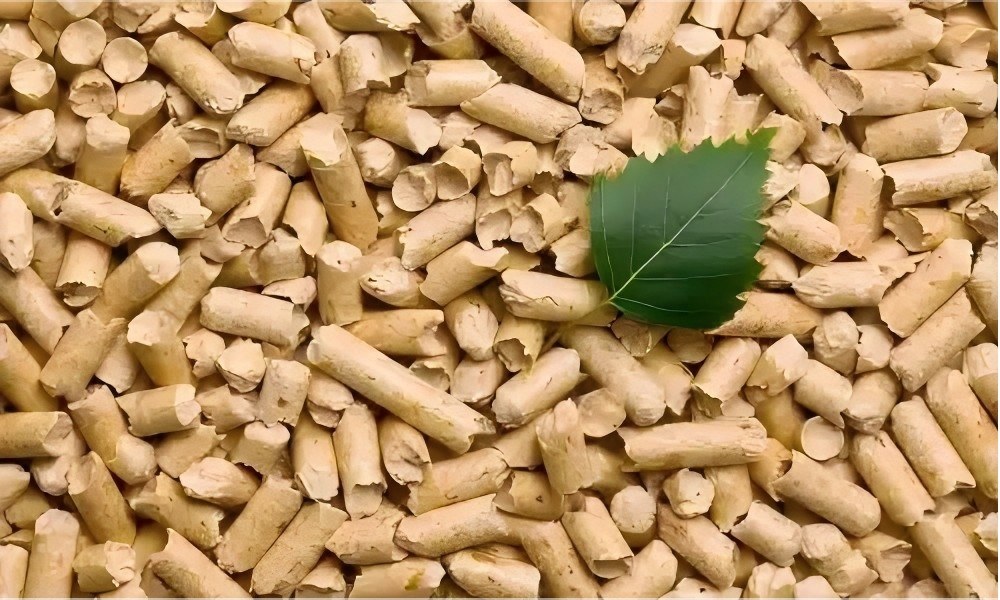
Agricultural waste pellets have become an important renewable energy source in recent years. Made from materials such as straw, rice husks, corn stalks, and other crop residues, these pellets are widely used for heating, industrial boilers, and power generation. Their success in the market depends heavily on one key quality indicator: durability.
Pellet durability refers to the ability of biomass pellets to resist breakage, crumbling, and degradation during handling, storage, and transportation. Poor durability leads to excessive fines (dust), lower combustion efficiency, higher transportation losses, and reduced customer satisfaction.
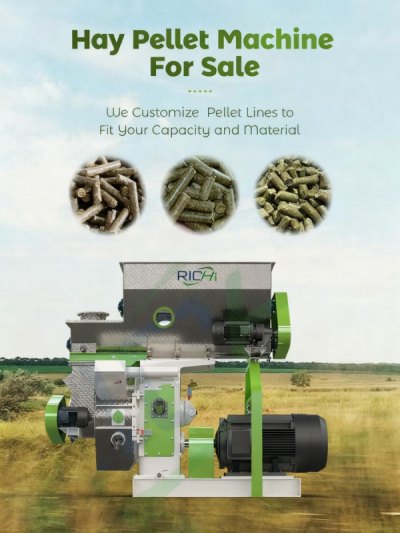
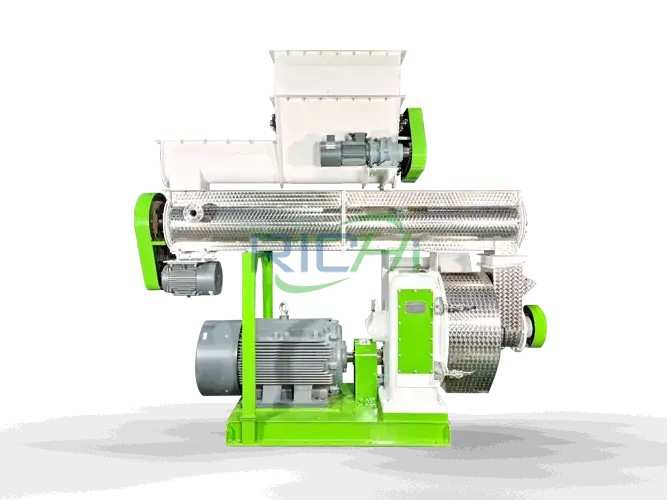
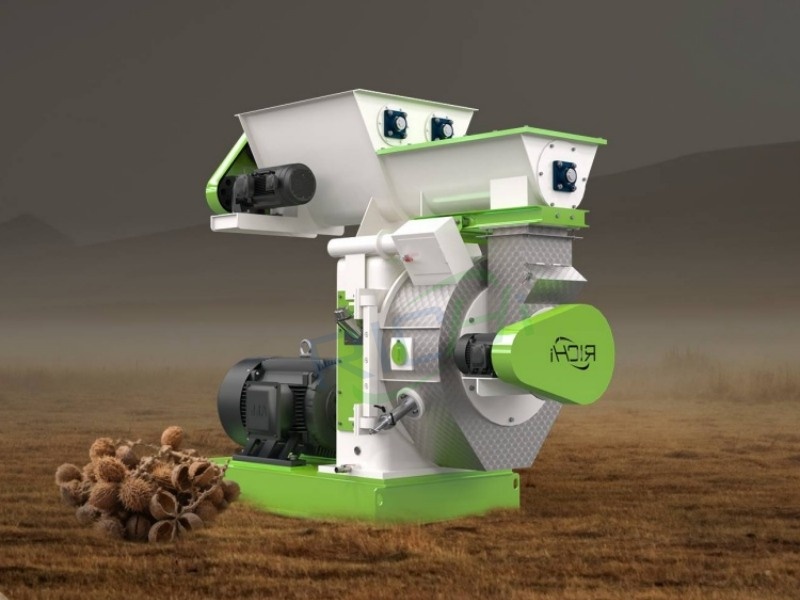
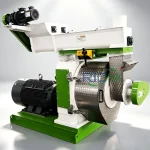
Understanding what affects pellet durability is essential for producers aiming to improve product quality and profitability. Equipment such as the straw pellets machine plays a central role in this process, but durability is influenced by many interconnected factors, including raw materials, processing conditions, and post-production handling.
This article explores in detail the key factors that affect agricultural waste pellet durability and how producers can optimize each stage of production.
1. Raw Material Composition
The composition of agricultural waste is the most fundamental factor affecting pellet durability.
1.1 Lignin content
Lignin is a natural polymer found in plant materials that acts as a binding agent during pelletizing. When exposed to heat and pressure inside a straw pellets machine, lignin softens and helps bind particles together.
- High lignin content → stronger pellets
- Low lignin content → weaker structure
Materials like corn stalks and woody residues generally produce more durable pellets than low-lignin materials.
1.2 Fiber structure
Long fibrous materials improve interlocking between particles.
- Straw and corn stalks → good fiber structure
- Rice husk → more brittle, lower binding ability
A balanced fiber structure improves mechanical strength.
1.3 Ash and mineral content
High ash content reduces bonding ability and weakens pellet structure.
- Clean biomass → higher durability
- Contaminated or sandy biomass → lower durability
Proper raw material selection is therefore essential.
2. Moisture Content of Raw Materials
Moisture is one of the most critical factors affecting pellet durability.
2.1 Optimal moisture range
Most agricultural waste performs best at:
- 8% to 15% moisture content
2.2 Effects of too much moisture
- Weak bonding
- Soft pellets
- Mold growth during storage
- Lower density
2.3 Effects of too little moisture
- Poor particle adhesion
- Cracking during pellet formation
- Increased wear on equipment
Proper drying before entering the straw pellets machine is essential for achieving high durability.
https://pelletisingmachine.com/straw-pellet-mill
3. Particle Size and Grinding Quality
Particle size uniformity directly influences pellet strength.
3.1 Ideal particle size
- Typically 3–5 mm for agricultural biomass
3.2 Problems caused by poor grinding:
- Oversized particles → weak bonding and uneven structure
- Too fine particles → poor airflow and reduced binding efficiency
3.3 Importance of uniformity
Uniform particle size ensures:
- Stable feeding into the straw pellets machine
- Consistent compression
- Strong internal structure
4. Pelletizing Temperature and Pressure
The working conditions inside the pelletizing chamber significantly influence durability.
4.1 Role of temperature
Friction inside the machine generates heat, which activates lignin.
- Proper temperature → strong bonding
- Too low temperature → weak pellets
- Too high temperature → material degradation
4.2 Role of pressure
Pressure determines how tightly particles are compressed.
- High pressure → dense and durable pellets
- Low pressure → loose and fragile pellets
The design and adjustment of the straw pellets machine directly affect these parameters.
5. Die and Roller Design
The die and roller system is the heart of the pelletizing process.
5.1 Die compression ratio
The compression ratio determines how much material is compressed.
- Higher ratio → stronger pellets but higher energy consumption
- Lower ratio → weaker pellets
5.2 Die hole condition
- Smooth die holes → better pellet formation
- Worn or damaged dies → irregular pellets and lower durability
5.3 Roller pressure uniformity
Uneven roller pressure leads to inconsistent pellet density, reducing durability.
Proper maintenance of the straw pellets machine is essential for stable production.
6. Raw Material Pretreatment
Pretreatment processes strongly influence final pellet quality.
6.1 Cleaning
Removing impurities such as:
- Stones
- Sand
- Metal fragments
- Plastic waste
Improves binding and reduces wear on equipment.
6.2 Mixing
Blending different agricultural residues can improve durability.
Examples:
- Straw + corn stalk
- Rice husk + wheat straw
- Bagasse + corn residue
Mixing balances lignin content and fiber structure.
6.3 Pre-conditioning
Some systems use steam or heat conditioning to improve material plasticity before pelletizing.
7. Operation of the Straw Pellets Machine
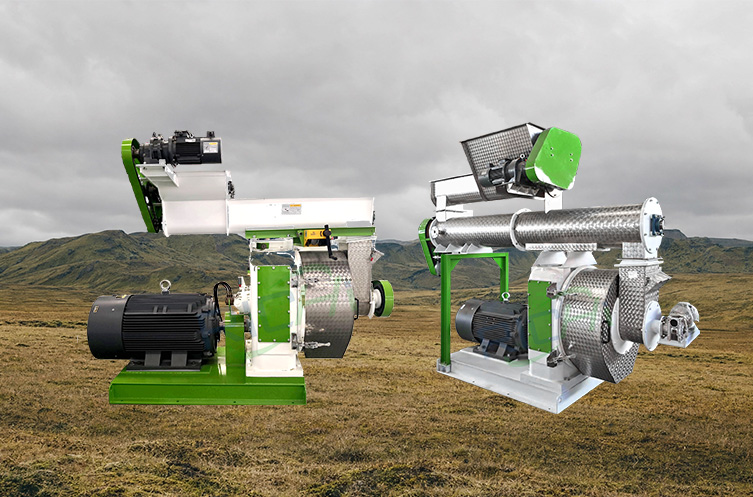
The performance and operation of the straw pellets machine is a major determinant of pellet durability.
7.1 Feeding stability
Consistent feeding ensures:
- Even compression
- Uniform density
- Reduced cracking
7.2 Machine speed
- Too fast → insufficient compression time
- Too slow → overheating and inefficiency
Optimal speed improves structural integrity.
7.3 Maintenance condition
Worn parts reduce pellet quality:
- Damaged rollers
- Worn dies
- Loose bearings
Regular maintenance ensures stable durability output.
(Related machine: efficient corn stalk pellet machine)
8. Cooling Process After Pelletizing
Fresh pellets leaving the machine are hot and soft.
8.1 Importance of cooling
Cooling helps:
- Harden pellet structure
- Reduce internal stress
- Stabilize moisture content
8.2 Cooling methods
- Counterflow coolers
- Air cooling systems
Improper cooling leads to cracks and reduced durability.
9. Storage and Handling Conditions
Even high-quality pellets can lose durability if poorly handled.
9.1 Storage humidity
High humidity environments cause:
- Moisture absorption
- Pellet swelling
- Structural weakening
9.2 Mechanical handling
Excessive dropping or vibration causes:
- Pellet breakage
- Increased fines production
9.3 Packaging methods
Proper packaging protects pellets during transport and storage.
10. Raw Material Type Differences
Different agricultural wastes naturally produce different durability levels.
10.1 High durability materials:
- Corn stalks
- Wheat straw
- Wood residues
10.2 Medium durability materials:
- Sugarcane bagasse
- Mixed straw systems
10.3 Low durability materials:
- Rice husk (high ash content)
- Highly sandy or contaminated residues
Blending materials can improve overall pellet performance in the straw pellets machine.
11. Additives and Binders
In some cases, additives are used to improve durability.
11.1 Natural binders
- Lignin (naturally present in biomass)
- Starch
- Plant oils
11.2 Effects of additives
- Improve particle cohesion
- Increase mechanical strength
- Reduce dust formation
However, most modern systems rely on optimized mechanical processing instead of chemical additives. (why not try here)
12. Equipment Efficiency and Technology Level
Modern technology significantly improves pellet durability.
12.1 Advanced straw pellets machine features:
- Intelligent control systems
- Automatic lubrication
- Stable pressure regulation
- High-precision die manufacturing
12.2 Benefits of advanced systems:
- More consistent pellet quality
- Lower energy consumption
- Higher production efficiency
13. Environmental Conditions During Production
External environment also plays a role.
13.1 Temperature and humidity
- High humidity → moisture absorption issues
- Low temperature → poor lignin activation
13.2 Seasonal variation
Raw material quality changes with seasons, affecting pellet durability consistency.
14. Quality Control and Testing
To ensure durability, producers must implement strict quality control.
14.1 Common tests:
- Drop resistance test
- Compression strength test
- Fines percentage measurement
- Moisture analysis
14.2 Importance of monitoring:
Continuous monitoring ensures stable production performance and market competitiveness.
Conclusion
Agricultural waste pellet durability is influenced by a wide range of factors, including raw material composition, moisture content, particle size, pelletizing conditions, equipment performance, and post-production handling.
At the center of the production process is the straw pellets machine, which plays a decisive role in shaping pellet density, structure, and mechanical strength.
By carefully controlling each stage of production—from raw material selection to cooling and storage—producers can significantly improve pellet durability, reduce losses, and enhance product value in the growing biomass energy market. (Richi Pellet Mill)