As global demand for biomass fuel continues to rise, the wood chip pellet maker has become central equipment for forestry processors, agricultural residue handlers, and renewable energy producers. Understanding how this machine fits within a complete production system is essential for anyone planning a new facility or scaling an existing one.
The Role of a Wood Chip Pellet Maker
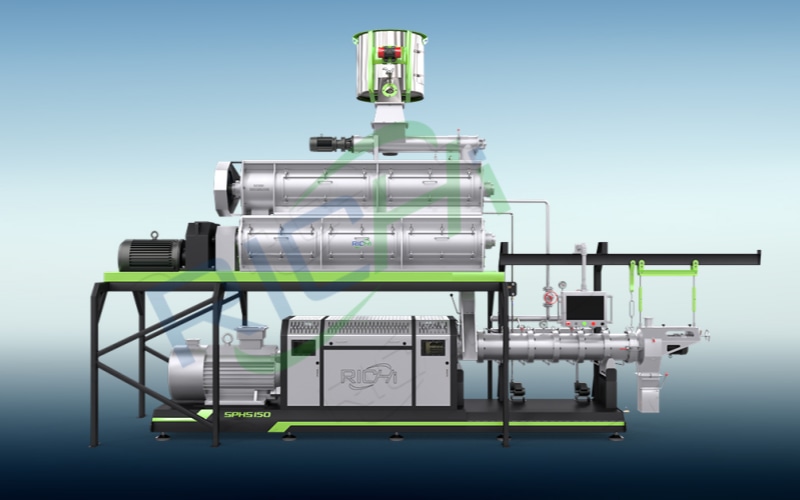
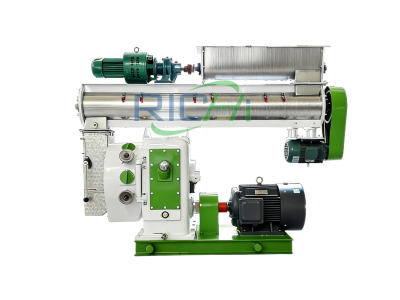
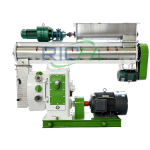
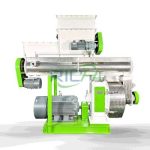
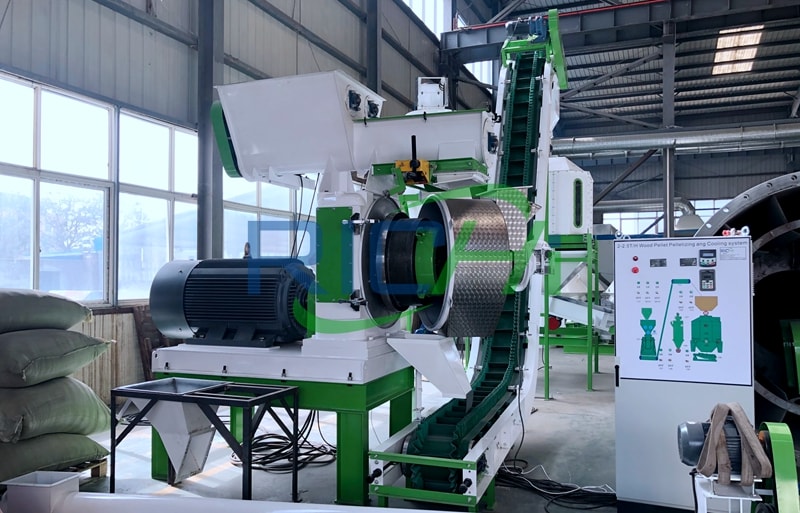
A wood chip pellet maker — commonly referred to as a pellet mill or pellet press — compresses pre-processed wood particles into cylindrical pellets under high heat and pressure. The friction generated during compression raises material temperature to 80–120°C, activating natural lignin in the wood, which acts as a binder. No external additives are typically required for wood-based feedstocks.
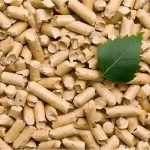
The result is a dense, uniform pellet with low moisture content (typically 8–10%), high energy density, and excellent combustion characteristics for residential heating, industrial boilers, and power generation applications.
From Raw Chips to Finished Pellets: The Production Sequence
A complete wood pellet production line involves multiple sequential stages:
Stage 1 — Chipping
Logs, branches, or wood waste are reduced to raw chips (20–50 mm) using drum or disc chippers.
Stage 2 — Drying
Green wood chips typically carry 40–60% moisture. Rotary drum dryers reduce this to 12–15% — the ideal range for pelletization.
Stage 3 — Grinding
Dried chips pass through a hammer mill, producing fine particles (3–5 mm) suitable for the pellet press.
Stage 4 — Pelletizing
The wood chip pellet maker compresses the fine feedstock through ring die or flat die assemblies to produce pellets of 6 mm or 8 mm diameter. Ring die mills are preferred for industrial-scale production due to higher throughput and lower energy consumption per ton.
Stage 5 — Cooling
Freshly pressed pellets exit the die at 70–90°C and must be cooled to within 5°C of ambient temperature before packaging. Counter-flow coolers are industry standard for this stage.
Stage 6 — Screening and Packaging
Final screening removes fine particles (returned to the pellet press as recycle), and pellets are bagged or bulk-loaded for distribution.
Key Technical Specifications to Evaluate
When selecting a pellet maker for wood chip feedstock, compare:
| Parameter | Flat Die Mill | Ring Die Mill |
|---|---|---|
| Capacity Range | 50–800 kg/h | 500–10,000+ kg/h |
| Best For | Small operations | Industrial plants |
| Energy Efficiency | Moderate | High |
| Die Lifespan | Shorter | Longer |
For most commercial operations, ring die pellet mills offer significantly better economics at scale. If you go to my blog content sections on pellet mill comparisons, you’ll find side-by-side efficiency data for both configurations.
Feedstock Flexibility and Machine Adaptation
While wood chips are the most common feedstock, many pellet makers can process a range of biomass materials with appropriate die and roller adjustments:
- Sawdust and shavings
- Agricultural straw and husks
- Bamboo residues
- Energy grasses (miscanthus, switchgrass)
Feedstock switching typically requires die hole size adjustment and roller gap recalibration. Some operations run dedicated lines for different materials to avoid cross-contamination and optimize pellet quality for specific markets.
Choosing an Equipment Partner
Full-line pellet plant projects involve significant capital investment and long operational timelines. Selecting a manufacturer with complete line engineering capability — rather than sourcing individual machines from multiple vendors — reduces integration risk substantially.
Richi machinery manufacture offers turnkey pellet plant solutions covering everything from initial feasibility assessment through equipment supply, installation supervision, and operator training. This single-source approach simplifies project management and ensures compatibility across all line components.
Economic Considerations
For a mid-scale 2–3 t/h wood pellet line, typical investment ranges from $200,000 to $500,000 USD depending on drying system complexity, automation level, and site preparation requirements. Payback periods typically range from 3–6 years based on local wood chip feedstock costs and pellet selling prices.
Accurate financial modeling requires detailed input on feedstock cost, energy tariffs, labor, and target markets. Many manufacturers provide preliminary ROI calculations as part of the project consultation process.
Conclusion
A wood chip pellet maker is the cornerstone of any biomass pellet operation, but its performance is inseparable from the quality of the surrounding production line. Invest in understanding the full system, work with experienced engineering partners, and build your line with scalability in mind.