
The New Era of Professional Aquatic Feed Manufacturing
The global aquaculture industry is entering a new stage of development. As seafood consumption continues to increase, fish farmers and feed producers are looking for more efficient ways to improve productivity while maintaining environmental responsibility.
Feed production has become one of the most important parts of modern aquaculture. The quality of feed directly affects fish growth, survival rate, water quality, and farming profitability. Low-quality feed may lead to poor nutrient absorption, higher production costs, and increased waste in aquatic environments.
To solve these challenges, many companies are upgrading their production facilities with advanced processing technologies. Modern fish feed factories are no longer simple manufacturing workshops. They are integrated production systems that combine automation, precise formulation, and advanced extrusion technology.
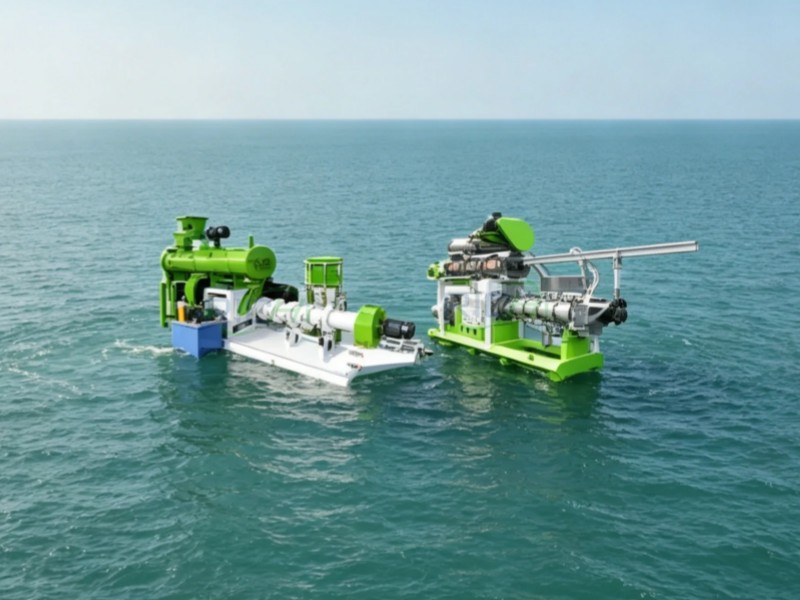
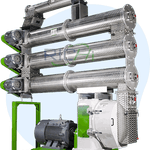
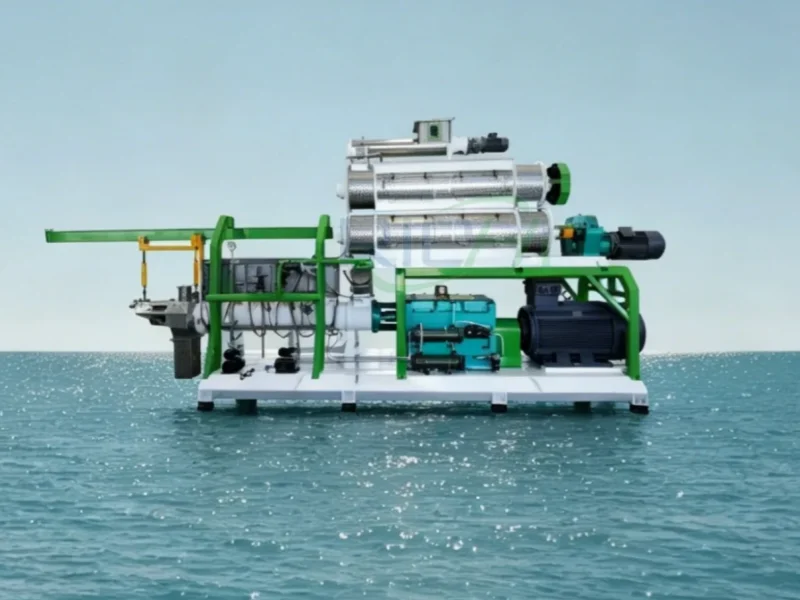
A well-designed twin screw Fish Feed Extrusion machine has become an essential component of many professional aquatic feed factories. It allows manufacturers to produce high-quality pellets with excellent stability, accurate nutrition, and consistent performance.
As aquaculture becomes more competitive, investing in efficient feed production technology is becoming a strategic choice for companies that want long-term development.
The Importance of Efficient Feed Production in Aquaculture
Feed is one of the largest investments in fish farming operations. Improving feed efficiency can significantly reduce production costs and increase profitability.
Modern aquatic feed needs to satisfy several requirements.
Nutritional Accuracy
Different aquatic species require different nutritional structures. Fish, shrimp, and other aquatic animals need balanced levels of protein, fat, carbohydrates, vitamins, and minerals.
Advanced manufacturing systems allow producers to precisely control feed formulas and maintain consistent nutritional quality.
Physical Performance
Aquatic feed must have suitable physical properties depending on the target species. Floating feed should remain on the water surface for surface-feeding fish, while sinking feed should maintain structure underwater for bottom-feeding species.
Water Stability
Feed that breaks apart quickly can increase water pollution and reduce farming efficiency. High-quality pellets maintain their structure longer, allowing fish to consume nutrients effectively.
Production Consistency
Large-scale farms require stable feed supply. Professional production equipment ensures consistent pellet size, density, and quality throughout continuous operation.
These requirements explain why more companies are investing in advanced feed manufacturing solutions.
How Twin Screw Technology Improves Feed Quality
Extrusion technology has become a key process in modern aquatic feed manufacturing. It combines mechanical pressure, heat, and moisture control to transform raw materials into stable pellets.
Twin screw extrusion provides several important advantages.
First, it offers excellent mixing performance. The twin screw structure creates stronger material movement, allowing ingredients to combine more evenly.
Second, it provides better processing flexibility. Manufacturers can adjust operating conditions according to different formulas and feed requirements.
Third, it improves product consistency. Precise control of temperature and pressure helps produce pellets with uniform shape and reliable quality.
A high-performance Twin Screw Fish Feed Extruder machine allows producers to manufacture various aquatic feeds while maintaining efficient production.
This flexibility is especially valuable because modern aquaculture markets require different feed products for various species and farming systems.
Planning the Right Production Capacity
Selecting suitable production capacity is an important step when building a feed factory. The ideal capacity depends on raw material availability, target markets, and future business plans.
Small-scale farms may require compact production systems designed for local demand. Larger commercial companies need higher-capacity facilities that can supply multiple customers.
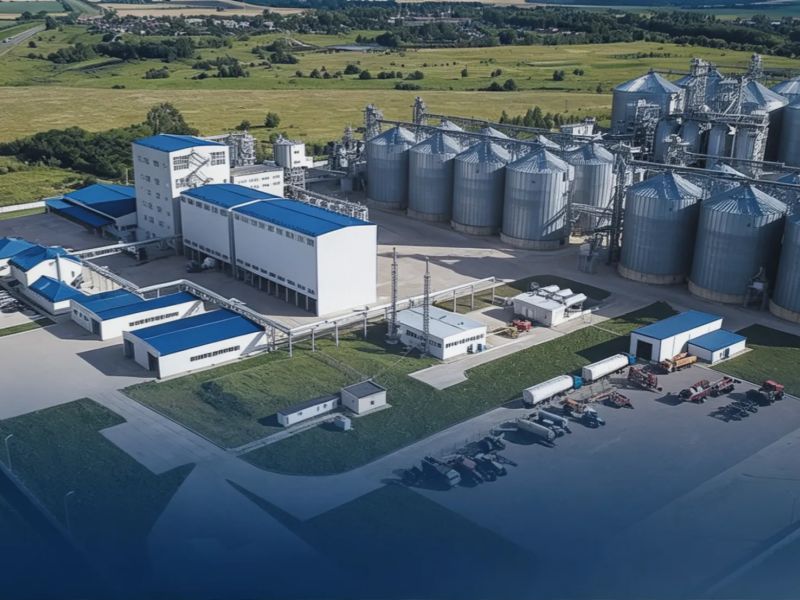
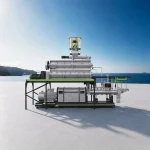
For businesses planning industrial-level production, a 5-6 T/H aquatic feed plant for sale can provide a practical solution for achieving stable output and meeting growing market demand.
A complete aquatic feed factory usually includes:
- Raw material receiving system
- Grinding equipment
- Mixing system
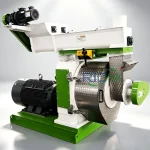
- Extrusion equipment
- Drying system
- Cooling system
- Screening equipment
- Packaging machinery
Each part of the production line works together to ensure efficient operation and consistent feed quality.
Proper planning before investment helps companies avoid unnecessary costs and ensures the factory can support future expansion.
The Role of Reliable Equipment Manufacturers
The success of an aquatic feed project depends not only on equipment selection but also on the experience of the supplier.
Professional manufacturers understand the challenges involved in feed production. They can provide customized recommendations based on:
- Feed types
- Raw material characteristics
- Production targets
- Factory layout
- Market requirements
A reliable supplier should offer complete technical support from project design to final operation.
This includes equipment selection, installation guidance, operator training, and maintenance assistance.
Companies such as Richi Pelletizer have experience in designing feed processing solutions for different industries. Their professional approach helps customers build efficient production systems suitable for changing market demands.
Choosing an experienced partner can reduce project risks and improve long-term operational stability.
Digitalization and Automation in Modern Feed Factories
Technology is changing the way feed factories operate. Automation and digital management systems are becoming increasingly important for improving efficiency.
Modern intelligent systems can monitor:
- Production speed
- Temperature conditions
- Energy consumption
- Equipment performance
- Product quality
These functions allow operators to identify problems quickly and optimize production processes.
Automation also reduces dependence on manual labor and improves production accuracy. For large-scale manufacturers, this can create significant advantages in terms of cost control and operational efficiency.
In the future, more aquatic feed factories will adopt smart manufacturing systems to achieve higher productivity and better resource management.
Sustainable Aquaculture Through Advanced Feed Solutions
Sustainable development has become a major focus in the aquaculture industry. Increasing production while protecting aquatic environments requires better technology and responsible management.
Advanced feed manufacturing contributes to sustainability by improving nutrient utilization. When fish absorb nutrients more effectively, less waste enters farming water.
Efficient pellet production also helps reduce unnecessary resource consumption. Optimized formulas and improved processing methods allow manufacturers to produce better feed with fewer resources.
For companies exploring modern feed production concepts and equipment applications, they can check my source to gain additional knowledge about current industry solutions and manufacturing trends.
Future Opportunities in Aquatic Feed Manufacturing
The demand for aquatic products is expected to continue growing, creating new opportunities for professional feed manufacturers.
Future aquatic feed production will focus on:
- Higher automation levels
- More specialized feed formulas
- Improved production efficiency
- Better environmental performance
- Smarter factory management
Companies that adopt advanced technology early will have stronger advantages in the competitive market.
Modern feed factories are becoming important drivers of aquaculture development. They provide not only feed products but also solutions that support healthier farming systems and more sustainable seafood production.
Conclusion
Building an efficient aquatic feed factory requires careful planning, advanced equipment, and professional technical support. Feed quality directly influences aquaculture success, making modern processing technology more important than ever.
Twin screw extrusion systems provide manufacturers with the flexibility and reliability needed to produce high-quality aquatic feed. Combined with automation and professional engineering solutions, they help businesses improve productivity and meet future market demands.
(Related Post: https://www.richipelletmill.com/fish-feed-processing-line/)
As global aquaculture continues to expand, advanced feed manufacturing will remain a key factor in creating a more efficient, sustainable, and profitable seafood industry.