Introduction
Aquaculture has become an essential industry for meeting the increasing global demand for seafood. As natural fish resources continue to face pressure from overfishing and environmental changes, modern aquaculture provides a sustainable solution for producing fish, shrimp, and other aquatic products. However, the success and profitability of aquaculture operations depend heavily on production efficiency, and feed management is one of the most important factors affecting farming performance.
Feed usually represents the largest operational expense in aquaculture, accounting for a significant proportion of total production costs. Therefore, improving feed quality, reducing waste, and increasing nutrient utilization are key strategies for enhancing aquaculture efficiency. Advanced aquatic feed production technology has made it possible to manufacture highly nutritious, stable, and species-specific feeds that support faster growth and healthier aquatic animals.
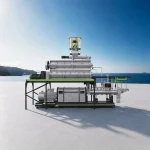
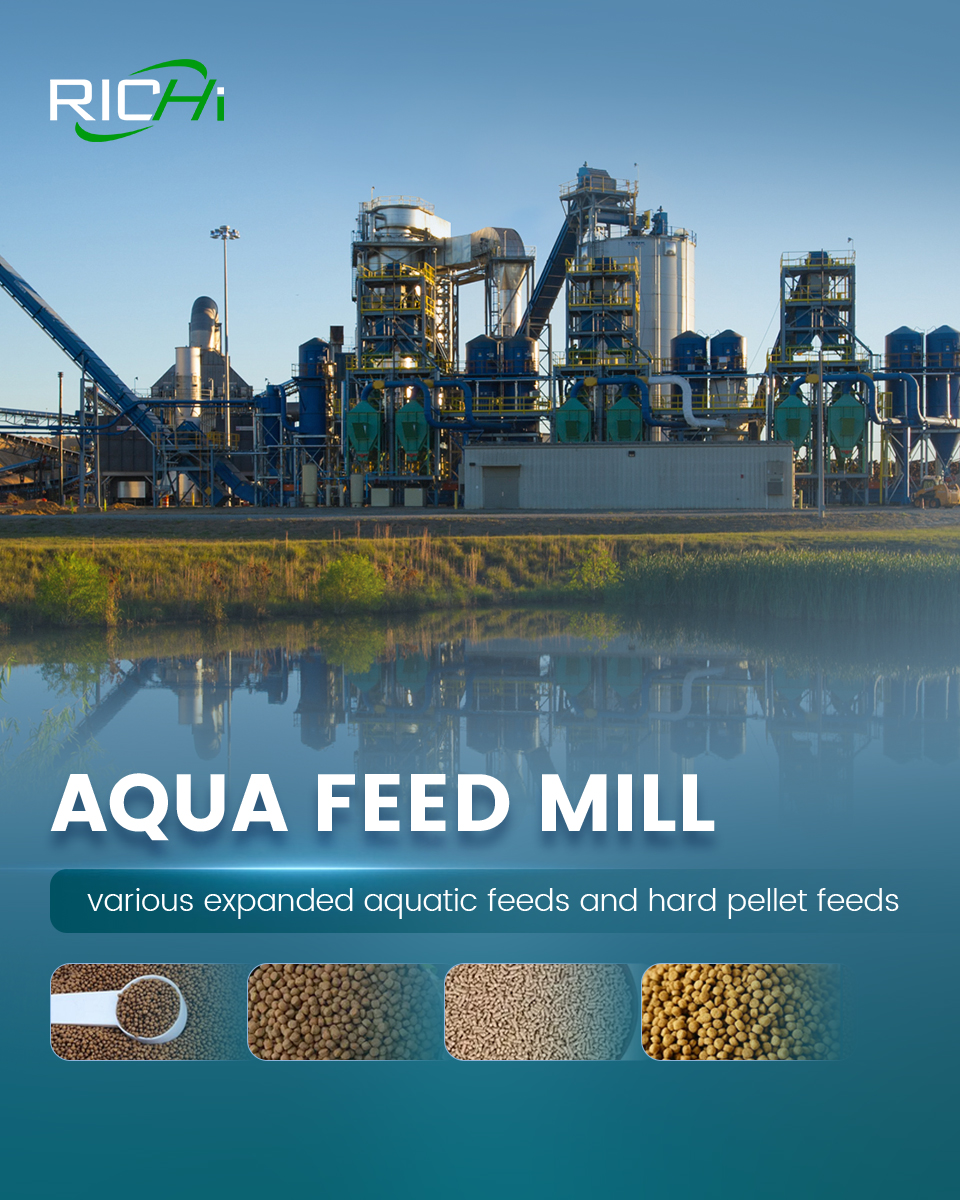
A professional fish feed production line integrates multiple processing technologies, including raw material grinding, mixing, extrusion, drying, coating, cooling, and packaging, to produce high-quality floating fish feed, sinking feed, and other aquatic feeds. By improving feed consistency, digestibility, and production automation, modern aquatic feed production helps aquaculture farms achieve higher yields, lower costs, and more sustainable operations.
This article explores how aquatic feed production improves aquaculture efficiency and why advanced feed manufacturing systems are becoming increasingly important for the future of fish farming.
1. The Relationship Between Feed Quality and Aquaculture Efficiency
In aquaculture, fish growth performance is directly influenced by the quality of feed provided. Unlike terrestrial livestock, aquatic animals live in water environments where feeding management is more complex. Poor-quality feed can quickly lead to nutrient loss, water pollution, slow growth, and increased production costs.
High-quality aquatic feed improves aquaculture efficiency in several ways:
- Provides balanced nutrition for different growth stages
- Improves feed conversion ratio (FCR)
- Reduces feed waste
- Promotes stronger immunity
- Supports faster growth cycles
The feed conversion ratio is one of the most important indicators used to evaluate aquaculture efficiency. A lower FCR means aquatic animals require less feed to gain the same amount of body weight. By producing feeds with better digestibility and nutrient balance, advanced aquatic feed manufacturing technology helps farmers maximize production with fewer resources.
2. Scientific Feed Formulation Improves Fish Growth Performance
Different aquatic species have unique nutritional requirements. For example, carnivorous fish require higher protein levels, while herbivorous and omnivorous species may require different proportions of plant-based ingredients and carbohydrates.
Modern aquatic feed production relies on scientific formulation methods to create customized feed according to:
- Fish species
- Growth stage
- Farming environment
- Water temperature
- Feeding habits
- Market requirements
Common raw materials used in aquatic feed production include:
- Fish meal
- Soybean meal
- Corn
- Wheat flour
- Rice bran
- Fish oil
- Vegetable protein sources
- Vitamins and minerals
A well-designed fish feed production line ensures that all ingredients are accurately weighed, evenly mixed, and processed into uniform pellets. This consistency allows each pellet to contain the correct nutritional composition, ensuring that fish receive balanced nutrients during every feeding cycle.
As a result, farmers can achieve:
- Faster weight gain
- Improved survival rates
- Better feed utilization
- Higher-quality aquatic products
https://richipelletizer.com/aqua-feed-plant
3. Extrusion Technology Enhances Aquatic Feed Performance
One of the biggest challenges in aquatic feed manufacturing is producing pellets that remain stable in water while maintaining high nutritional value. Traditional pelletizing methods may not fully satisfy the requirements of modern intensive aquaculture.
Extrusion technology has become a major advancement in aquatic feed production. During the extrusion process, raw materials are exposed to controlled temperature, pressure, and mechanical forces, which improve the physical and nutritional characteristics of feed.
The advantages of extruded aquatic feed include:
Improved Nutrient Digestibility
Extrusion gelatinizes starch and breaks down the structure of raw materials, making nutrients easier for fish to absorb. Better digestibility means more nutrients are converted into growth instead of being released as waste.
Excellent Water Stability
Aquatic feed pellets must maintain their shape after entering the water. High-quality extrusion processing reduces pellet breakdown and prevents nutrient leakage, helping maintain better water quality.
Adjustable Floating and Sinking Characteristics
Different aquatic species have different feeding behaviors. Floating feed is suitable for fish that feed near the water surface, while sinking feed is preferred for bottom-feeding species.
Advanced extrusion systems allow manufacturers to control pellet density and produce:
- Floating fish feed
- Slow-sinking feed
- Sinking fish feed
This flexibility improves feeding efficiency and reduces unnecessary feed loss.
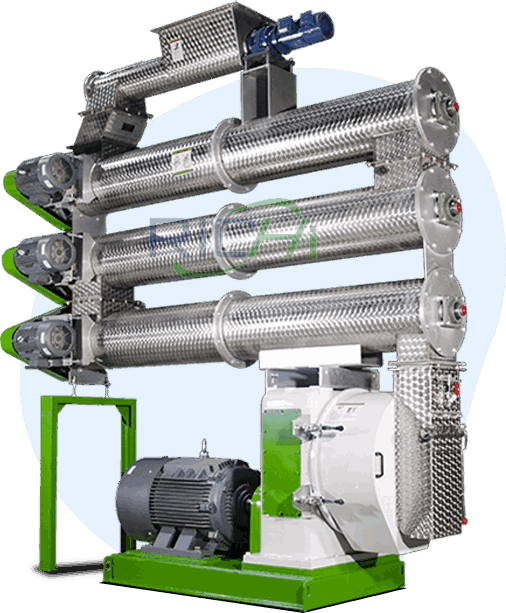
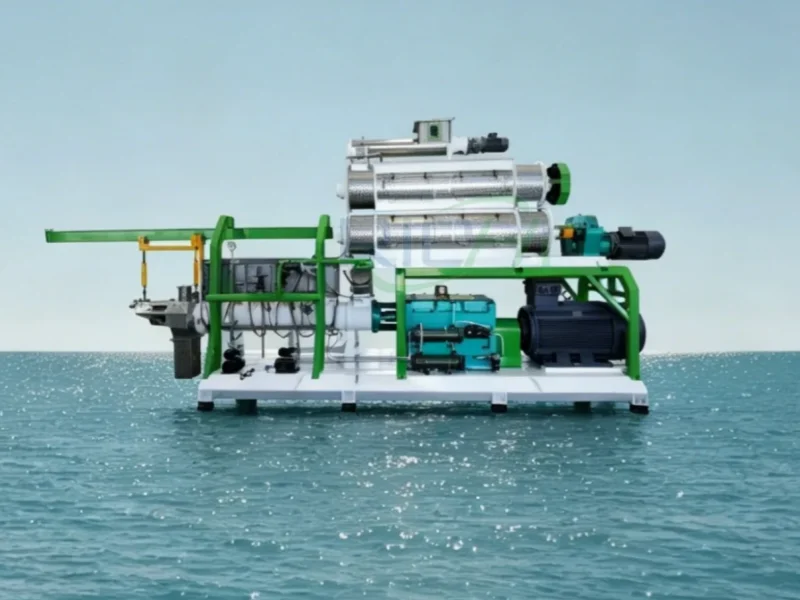
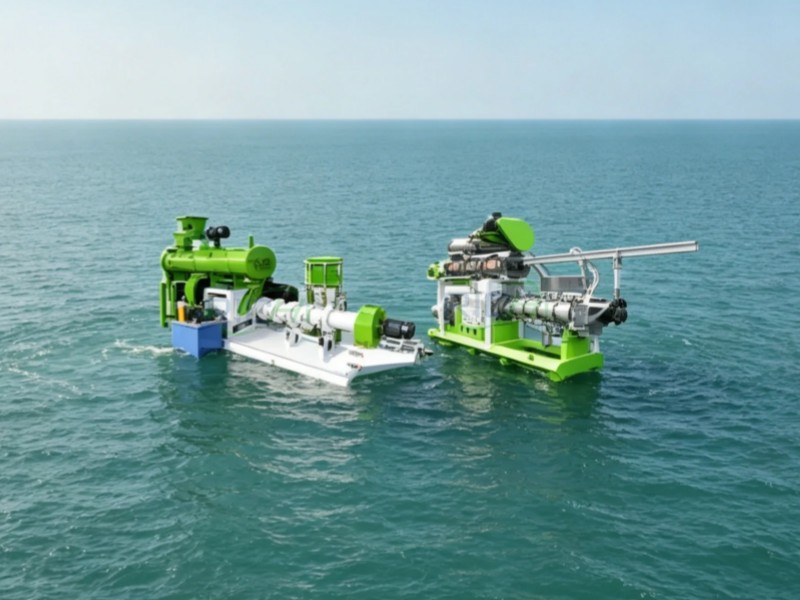
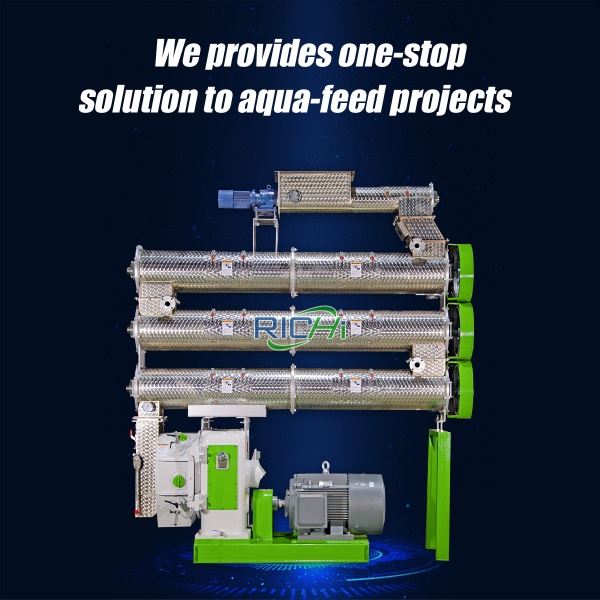
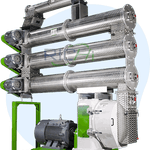
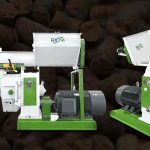
(Related machine: efficient wet type fish feed extruder)
4. Automated Fish Feed Production Lines Increase Manufacturing Efficiency
As aquaculture develops toward large-scale and commercial farming, feed manufacturers require efficient production systems that can deliver stable output and consistent quality.
A modern fish feed production line combines automated equipment and intelligent control systems to optimize the entire manufacturing process.
The main processing stages usually include:
Raw Material Cleaning
Cleaning equipment removes impurities such as stones, metal particles, and other foreign materials. This protects processing equipment and improves feed safety.
Grinding
Grinding machines reduce raw materials into suitable particle sizes, improving mixing uniformity and digestion efficiency.
Batching and Mixing
Automatic batching systems accurately measure ingredients according to the formula. Mixing equipment ensures that nutrients are evenly distributed throughout the feed mixture.
Extrusion
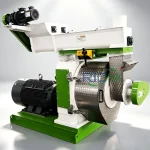
The extruder shapes the mixture into aquatic feed pellets with specific sizes, densities, and textures.
Drying
Drying equipment removes excess moisture, improving storage stability and preventing mold growth.
Oil Coating
Oil coating systems add oils, vitamins, and other nutrients to improve feed energy levels and palatability.
Cooling and Packaging
Cooling stabilizes pellet quality, while packaging systems prepare finished products for transportation and storage.
Through automation, manufacturers can achieve:
- Higher production capacity
- Reduced labor requirements
- Lower operating costs
- More stable product quality
5. Reducing Feed Waste and Improving Water Quality
Feed waste is one of the major causes of environmental problems in aquaculture. Uneaten feed and undigested nutrients accumulate in water, increasing ammonia levels and reducing oxygen availability.
Efficient aquatic feed production helps solve this problem by improving pellet quality and nutrient utilization.
High-quality aquatic feed provides:
Better Pellet Durability
Strong pellets remain intact during feeding, reducing the amount of broken feed particles entering the water.
Higher Digestibility
Fish can absorb more nutrients from each pellet, reducing waste production.
Controlled Feeding
Floating feed allows farmers to observe feeding behavior and adjust feeding quantities more accurately.
By reducing feed waste, aquatic farms can maintain better water conditions, reduce disease risks, and lower the cost of water management.
6. Customized Aquatic Feed Solutions Improve Farming Results
Modern aquaculture includes many different species and production models. A single feed formula cannot meet the requirements of all farming operations.
Professional aquatic feed manufacturers provide customized solutions based on customer needs.
For example:
Tilapia Feed Production
Tilapia requires balanced protein and energy levels to support rapid growth in intensive farming systems.
Shrimp Feed Production
Shrimp feed requires excellent water stability and specific nutritional components to support healthy development.
Catfish Feed Production
Catfish feed must provide suitable nutrition while maintaining good pellet performance in ponds.
Marine Fish Feed Production
Marine species often require higher-quality protein sources and specialized formulas.
A flexible aquatic feed manufacturing system enables producers to adjust:
- Pellet size
- Protein content
- Floating ability
- Feeding characteristics
This customization helps farmers improve production efficiency and meet different market demands.
7. Energy-Saving Production Supports Sustainable Aquaculture
Sustainability has become a major goal for the global aquaculture industry. Efficient feed production contributes to sustainable development by reducing resource consumption and improving production performance.
Modern feed manufacturing equipment incorporates energy-saving designs, such as:
- High-efficiency motors
- Optimized transmission systems
- Automatic control technology
- Reduced material losses
In addition, better feed conversion reduces the amount of raw materials needed to produce aquatic products.
For example, when fish can obtain more nutrients from each kilogram of feed, farmers require fewer feed resources while achieving the same production output. This reduces environmental pressure and improves overall resource efficiency.
8. The Role of Intelligent Control Systems in Aquatic Feed Production
Digital technology is transforming the feed manufacturing industry. Intelligent control systems allow operators to monitor and manage production processes with greater accuracy.
Modern aquatic feed factories often use PLC control systems to manage:
- Production parameters
- Equipment operation
- Temperature control
- Moisture levels
- Production output
The benefits of intelligent control include:
- Improved production stability
- Easier operation management
- Reduced human errors
- Better quality control
For large commercial feed producers, intelligent production systems provide a competitive advantage by ensuring reliable and efficient manufacturing.
9. Economic Benefits of Investing in Advanced Aquatic Feed Production
For aquaculture businesses, investing in modern feed production technology can create significant long-term benefits.
A high-performance fish feed production line helps manufacturers and farms achieve:
Lower Production Costs
Improved feed efficiency reduces unnecessary feed consumption and operational expenses.
Increased Production Capacity
Automated systems allow continuous production to meet growing market demand.
Better Product Quality
Consistent pellet size, nutritional balance, and processing quality improve customer satisfaction.
Stronger Market Competitiveness
Manufacturers with advanced production capabilities can provide customized feed solutions and expand their business opportunities.
As global aquaculture continues to grow, efficient feed production will become a key factor determining business success.
Conclusion
Aquatic feed production plays a vital role in improving the efficiency, profitability, and sustainability of modern aquaculture. Through scientific formulation, advanced extrusion technology, automation, and intelligent production management, high-quality aquatic feeds can significantly improve fish growth, reduce waste, and optimize resource utilization.
A complete fish feed pellet production line provides an integrated solution for producing floating feed, sinking feed, and customized aquatic feed products. By ensuring consistent quality and efficient manufacturing, it helps aquaculture businesses overcome challenges related to feed costs, environmental management, and production scalability.
As demand for seafood continues to increase worldwide, advanced aquatic feed production technology will remain an essential foundation for sustainable aquaculture development. Investing in efficient feed manufacturing systems is not only a way to improve current farming performance but also a strategic step toward the future of global aquaculture.