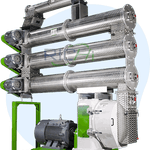

Producing large quantities of grass pellets is not simply a matter of installing a powerful motor. High-capacity biomass processing requires every stage of the production system to work at a compatible rate.
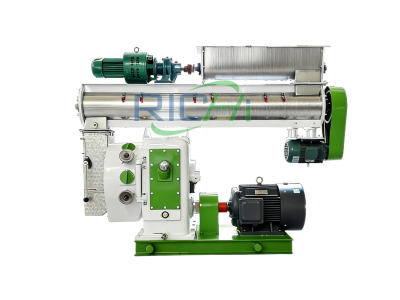
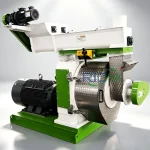
A miscanthus pellet mill can provide substantial compression capacity, but the final output depends on raw material preparation, moisture control, feeding stability, cooling, screening, and material handling.
Capacity Begins With Raw Material Logistics
Before expanding production, a business needs to confirm that enough biomass will be available. A high-capacity factory can consume large quantities of feedstock, making harvesting, transportation, and storage critical parts of the operation.
Miscanthus is seasonal in many growing regions. The factory therefore needs a strategy for storing sufficient raw material between harvesting periods.
Storage conditions also influence moisture and material quality. Poor storage can introduce additional moisture or contamination, increasing the processing burden later.
Keep the Feedstock Consistent
Variations in particle size and moisture can affect pellet mill performance. If one batch is significantly wetter or longer-fibered than another, the machine may experience different loading conditions.
Preprocessing should therefore aim to create a reasonably consistent feedstock. Crushing, drying, and mixing can help stabilize the material entering the pelleting section.
This is especially important when multiple agricultural residues are blended. Different materials can have different moisture levels, densities, and binding characteristics.
Feeding Stability Is a Major Factor
At high throughput, inconsistent feeding can quickly become a major problem. If material reaches the pellet mill unevenly, the machine may alternate between light and heavy loads.
A properly designed feeding system helps maintain a steady material flow. For lightweight grass fibers, this can be particularly important because the material may not behave like dense granular feedstock.
The feeder, hopper, and conveying system should therefore be designed together.
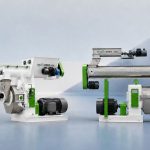
A high capacity grass pellet machine should not be evaluated only by its maximum theoretical output. Buyers should consider how stable that output can be under their actual raw material conditions.
Drying Can Determine Total Plant Capacity
When incoming biomass requires drying, the dryer can become one of the most important capacity constraints.
The drying system must remove the required amount of moisture while maintaining a material flow compatible with the pellet mill. If drying capacity is insufficient, the pelletizer may have to wait for prepared material.
Heat source availability also matters. Large plants may need significant quantities of thermal energy, so fuel choice and heat recovery opportunities should be evaluated during the design stage.
Cooling Must Match Production
The same principle applies after pellet formation. High-capacity pellet production generates a continuous stream of hot pellets.
If the cooler is undersized, finished pellets may accumulate at the outlet of the pellet mill, forcing production to slow down. The cooling system should therefore be designed around actual throughput and expected pellet characteristics.
Screening and conveying capacity must also be matched to production. A bottleneck in any one section can reduce the effective output of the entire factory.
Maintenance Becomes More Important at Scale
High-capacity equipment may operate for long periods under demanding mechanical conditions. Preventive maintenance should therefore be integrated into the operating plan.
Bearings, rollers, dies, transmission components, lubrication systems, and feeders require regular inspection. Replacing wear components before failure can help prevent unexpected downtime.
Operators should also monitor unusual vibration, temperature changes, motor load, and pellet quality. These indicators can provide early warnings of developing mechanical or process problems.
For technical readers looking for her explanation of high-capacity biomass processing, the key point is that output is determined by the balance of the complete system rather than the rated capacity of one machine.
Designing for Reliable Commercial Production
A high-capacity biomass factory should be designed around real operating conditions. Raw material availability, moisture variation, electricity supply, labor, storage, maintenance access, and market demand all need to be considered.
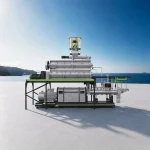
The pelletizing section remains central, but a large-scale project requires a coordinated combination of preparation, drying, feeding, compression, cooling, screening, and handling equipment.
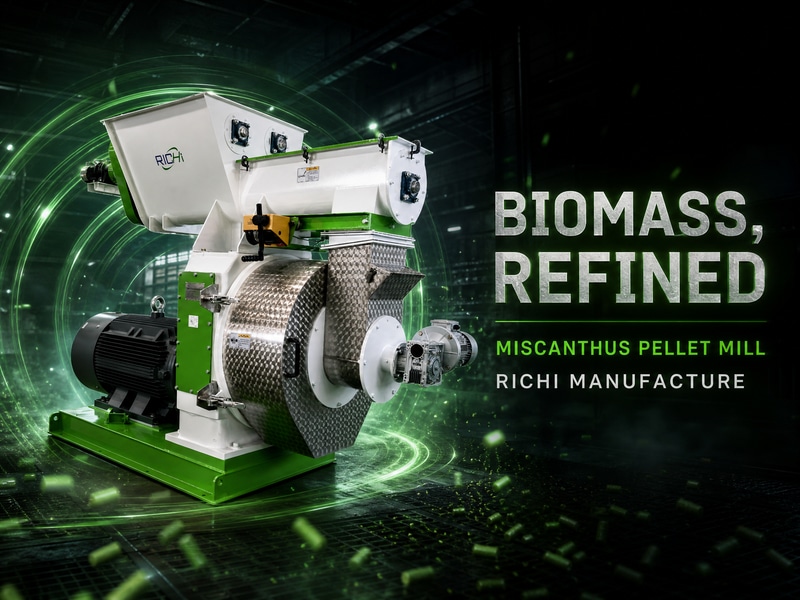
A reliable pellet mill machine can support high-volume production when it is correctly matched with these surrounding systems. The goal is not simply to produce more pellets per hour. It is to maintain consistent output over long operating periods while controlling energy use, maintenance costs, and product quality.
For biomass businesses with access to substantial miscanthus or grass resources, this systems-based approach can turn a difficult agricultural residue into a commercially manageable renewable fuel. High capacity becomes valuable only when the entire production chain is capable of supporting it.
view details: https://www.richimanufacture.com/miscanthus-pellet-mill/